
Cryptocurrency markets are shaped by a delicate balance between institutional action and retail enthusiasm. Nowhere is this more evident than in current debates comparing the future prospects of Shiba Inu (SHIB), the explosive potential surrounding DeepSnitch AI (DSNT), and the evolving journey of Pi Network (PI). Against a backdrop of US government hesitancy to accumulate Bitcoin as a strategic reserve—a stance echoed by industry voices like Mike Alfred—retail investors find themselves increasingly empowered to front-run emerging narratives and seize asymmetric opportunities. The juxtaposition of these three tokens encapsulates the crossroads faced by crypto investors navigating meme culture, technological innovation, and speculative promise.

The Institutional Slow Play: US Government Hesitancy and Its Ripple Effects
In recent years, the US government’s approach to Bitcoin and crypto reserves has been widely characterized as cautious at best and strategically stagnant at worst. Crypto entrepreneur Mike Alfred captured this sentiment, stating that a US Bitcoin reserve is unlikely to materialize until other global powers force the issue, reflecting deep-rooted institutional and political inertia.
“The US traditionally moves on Bitcoin only after others act. This sluggishness leaves the door open for retail investors to capture early-stage gains that institutions frequently miss.”
— Crypto analyst paraphrasing Mike Alfred’s view
This hesitancy has two immediate ramifications. Institutions are slow to provide deep liquidity and support for Bitcoin or major altcoins. Yet for retail, it creates an avenue: by moving into more agile projects ahead of institutional capital, they can target once-in-a-cycle gains. This dynamic frames today’s retail opportunity—especially in high-upside, speculative sectors like meme coins and AI-enabled tokens.
DeepSnitch AI (DSNT): The Rise of a Meme Coin With Utility
Bridging the Gap: From Meme Hype to Functional AI Crypto
DeepSnitch AI is engineered as a new breed of meme coin, infusing traditional “meme psychology”—playful branding, viral shareability, and community-driven hype—with a tangible layer of AI-powered trader tools.
Utility Built In: AI Agents for Market Intelligence
- SnitchScan: Scours on-chain activity for anomalies, helping spot what others may miss.
- SnitchFeed: Offers a real-time, curated news and signal dashboard.
- SnitchCast: Provides AI-driven commentary through audio and video streams.
- AuditSnitch: Automates due diligence, screening new contracts and tokens for risks.
- SnitchGPT: Delivers conversational analytics, making insights accessible to all.
The ongoing DSNT presale has already raised over $555,000, offering tokens at sub-$0.025 and granting early participants double-digit percentage gains, at least on paper. This hybrid approach—melding meme appeal with genuine market tools—aims to capitalize on two of the most fervent themes in crypto: viral community action and AI-enabled trading.
The “600x Potential” Narrative: Speculation Grounded in Narrative Power
The prospect of a 600x run—catapulting DSNT from a few cents to over $14 per token—relies on a potent cocktail of low initial market cap, aggressive branding, and a hefty 30% marketing allocation. Such allocations have historically enabled meme coins to reach mainstream awareness, but come with considerable volatility. If the AI tools gain traction and the meme resonates, outsized returns are conceivable, though highly speculative.
“A 600x move is sensational and rare. It happens when narrative, community, tech, and luck all align—but risk is always extreme.”
— Industry observer on the meme/utility hybrid model
Heavy marketing budgets have powered tokens like Dogecoin and SHIB in the past. DSNT’s twist: the “Snitch” brand is engineered for virality, but it’s also grounded by the actual agent suite, offering more than empty hype.
Shiba Inu’s 2026 Price Outlook: Stability Over Explosiveness
From Wild Rallies to Measured Growth
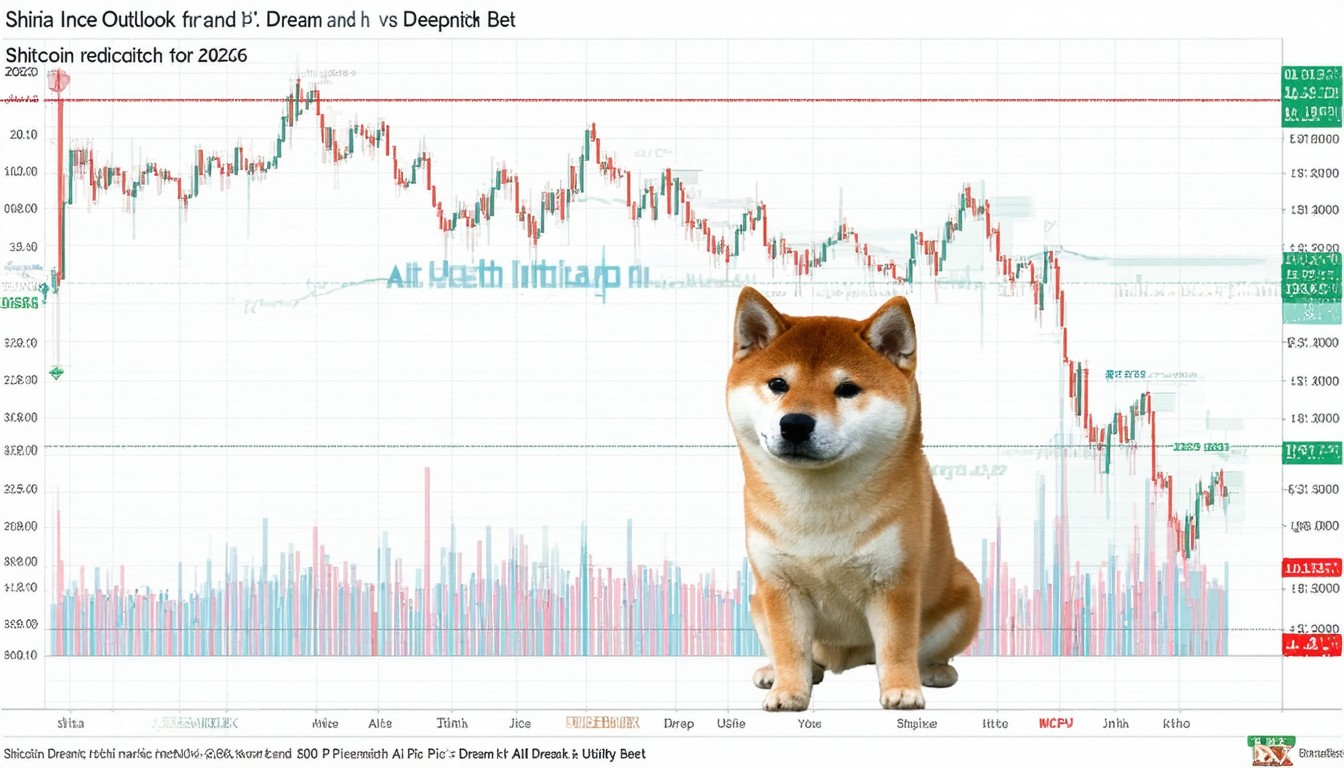
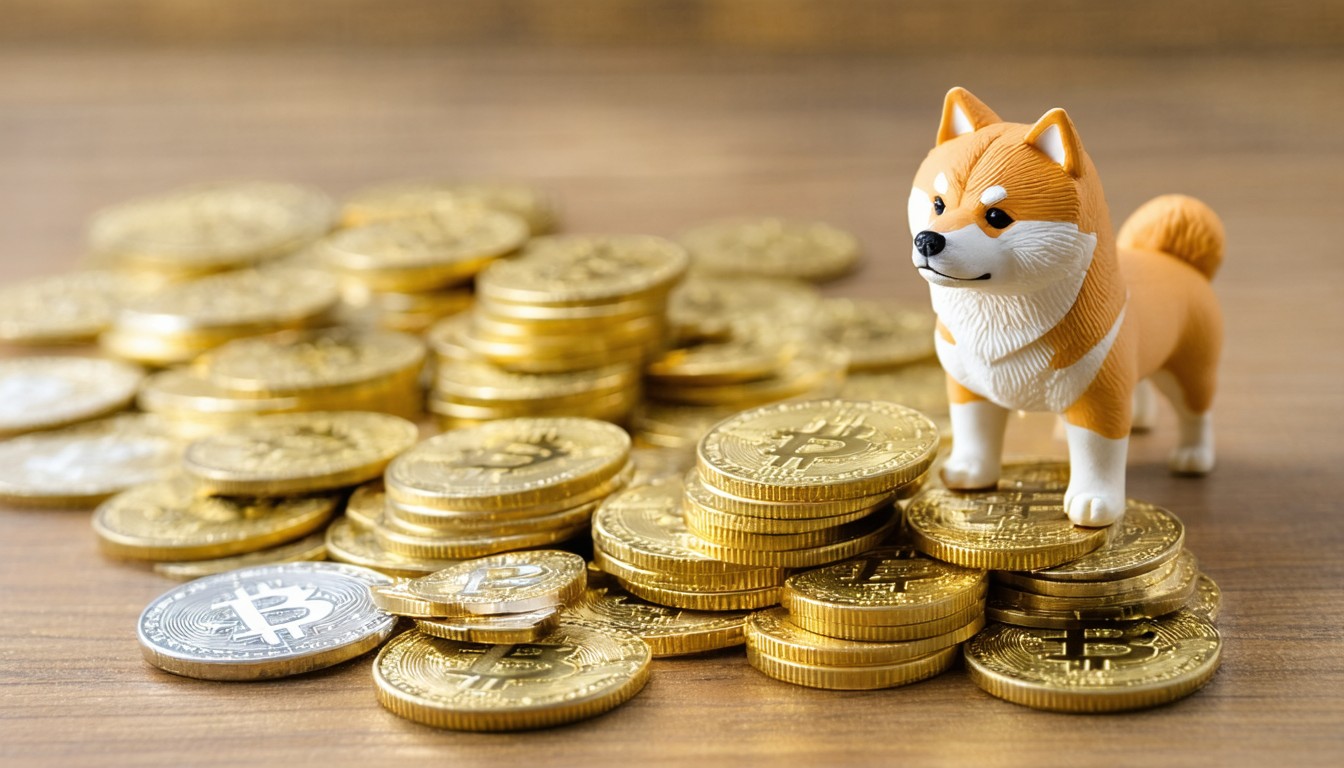
As one of the archetype meme coins, Shiba Inu’s legendary run—delivering mind-boggling 10,000%+ gains in previous cycles—has given way to a less feverish but more sustainable trajectory. Recent performance shows SHIB lagging broader altcoin rallies, with drawdowns over the week and a market mood that’s flat to cautiously bearish.
Mid-term projections point toward roughly 20% possible upside by 2026, a figure reflecting its already massive market cap and broad exchange listing. In other words, SHIB is no longer the domain of speculative moonshots; its risk-reward profile is more akin to a meme-flavored large cap—a “hold or hedge” proposition for those seeking stability, culture, and community engagement more than life-changing returns.
SHIB vs. New Arrivals: A Benchmark for Meme Utility Hybrids
It’s telling that newer meme coins, especially meme+utility hybrids like DSNT, now use SHIB as a benchmark. Whereas SHIB’s days of exponential growth are likely behind it, its role as the standard-bearer for meme communities remains unparalleled.
Pi Network (PI): Infrastructure Ambition Meets Real-World Rollout
L1 Utility Focus in Early-Stage Development
Pi Network, in contrast to the meme coin sector, represents the “slow-cook” approach in crypto. Designed as a Layer 1 network with a strong focus on building a global user base and translating engagement into practical use cases, PI has quietly posted modest weekly gains even during broader market dips.
Notably, PI has seen short bursts of double-digit percentage rallies, a signal of latent speculative demand as its ecosystem matures and unlock events draw nearer.
Analyst Perspectives: Why Utility-Driven Altcoins May Outrun Pure Memes
Some industry forecasts estimate PI’s upside by late 2026 could reach 100% or more relative to present pricing—a more attractive risk/reward balance than mature meme coins like SHIB, but not in the stratospheric realm of speculative DSNT narratives.
PI is emblematic of a new thesis gaining ground: in the next market cycle, infrastructure and utility-focused coins could outperform the old guard of pure memes. However, these projects face their own challenges—network effects, technological delivery, and user retention being paramount.
Strategic Comparison: SHIB vs. DSNT vs. PI for Investors
To distill the differences and strategic considerations:
- US Institutional Hesitancy:
Sluggish action on US Bitcoin reserves underpins the current market dynamic. Institutions tend to move late, backstopping established projects (BTC, ETH) only after retail cycles have played out. - Shiba Inu:
Offers brand stability, entrenched community, and modest upside. Ideal for cautious participants seeking a meme coin with lower volatility and established liquidity. - DeepSnitch AI:
High-return potential, but extremely volatile. Success depends on tool adoption, viral meme propagation, and marketing execution. Appeals to risk-tolerant early adopters eager to gamble on outsized rewards. - Pi Network:
Sits between meme coins and infrastructure tokens. Promises robust upside if utility is realized, but lacks the explosive, meme-driven momentum. Best viewed as a multi-year infrastructure investment.
Diversification, careful due diligence, and sober risk management are non-negotiable. The era of blind speculation is waning. Today’s investor must weigh narrative, utility, tokenomics, and marketing with clear-headed analysis.
Conclusion
The contrasting fortunes of Shiba Inu, DeepSnitch AI, and Pi Network provide a microcosm of the choices and risks in today’s altcoin landscape. Shiba Inu’s days of frenzied rallies are behind it, settling into a role as a culturally iconic, lower-upside meme coin. DeepSnitch AI exemplifies the appetite for meme+utility innovation, leveraging aggressive marketing and AI tool promises to chase spectacular, if improbable, gains. Pi Network demonstrates how infrastructure-focused projects, while slower to mature, may offer more sustainable risk/reward ratios, particularly when institutions are slow to recognize—and act upon—emerging trends.
US government caution on Bitcoin underscores the gap between institutional sluggishness and retail agility. This window offers opportunity, but also calls for discipline. Investors should use this period to diversify, research deeply, and only risk what they can afford to lose. As with all things crypto, the only certainty is uncertainty.
FAQs
What is the Shiba Inu price prediction for 2026?
Most analysts anticipate modest upside for Shiba Inu by 2026, projecting growth in the range of 20% from current levels. Its explosive growth phase appears to be over, making it a more stable large-cap meme coin.
Does DeepSnitch AI really have 600x upside potential?
The “600x potential” for DeepSnitch AI is highly speculative and based on a best-case scenario of rapid adoption, meme virality, and successful deployment of its AI tools. While such gains have precedent in crypto, they are extremely rare and come with high risk.
What is the outlook for Pi Network by 2026?
Pi Network is still in its development phase but demonstrates real user engagement and utility potential. Analyst forecasts suggest it could outperform legacy meme coins over the next few years, with potential for 100% or more upside if adoption continues.
How do meme coins differ from meme+utility coins like DSNT?
Traditional meme coins rely primarily on community and viral hype, while projects like DSNT add functional tools or services—such as AI-driven trading aids—to improve long-term value and adoption. This blend of utility with meme culture is a growing trend in crypto.
What impact does US government Bitcoin policy have on the crypto market?
The US government’s slow action on accumulating Bitcoin reserves delays institutional flows into the crypto market. This opens a window for retail investors to participate early in promising altcoin themes before large-scale capital enters.
Is investing in high-upside altcoins like DSNT safe?
High-upside altcoins can offer dramatic returns, but they are also highly speculative and volatile. Prospective investors should conduct thorough research, diversify across projects, and understand that extreme gains are the exception—not the rule.