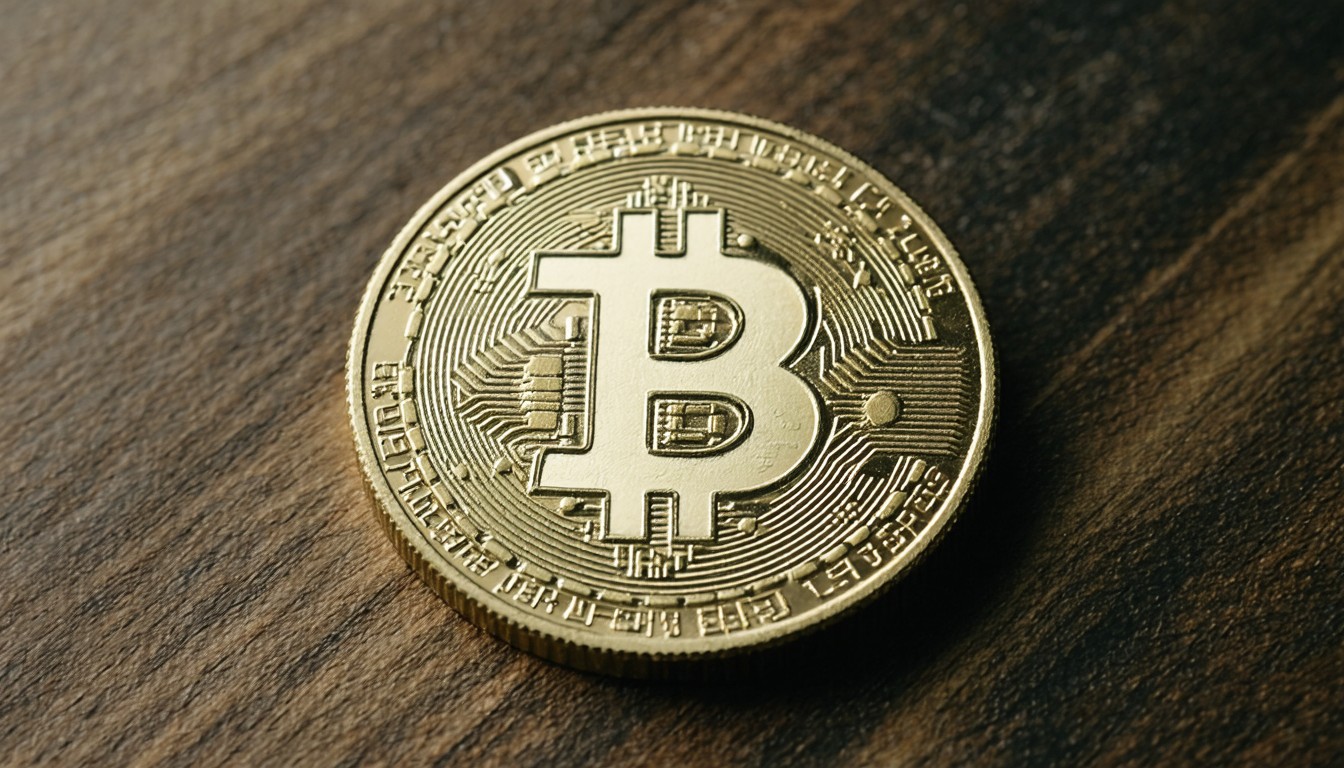
The world of cryptocurrency has seen a relentless search for the next big thing, with Bitcoin and Ethereum setting examples of mass adoption, technological innovation, and windfall gains. Within that landscape, Pi Network—backed by a mission to make crypto mining accessible to everyday users via smartphones—has captured significant global attention. Central to this interest is one persistent question: “When is the Pi Coin launch date?” For millions who have been mining Pi on their phones, the launch of Pi Coin onto open markets is more than a technical milestone; it’s a potential turning point for wealth, reputation, and the future of mobile-first cryptocurrencies.
Understanding when and how Pi Coin will launch requires a closer look at project development cycles, regulatory challenges, and the reality of introducing a new digital asset to a global market. As discussions continue to swirl, both hope and skepticism remain high—making it crucial to separate rumor from reality.
Pi Network: Origins and Ambition
The Vision of a Mobile-First Cryptocurrency
Pi Network was founded by a team of Stanford PhDs with expertise in social computing. Its mission is to democratize access to cryptocurrencies by allowing users to mine and earn Pi Coin using only their smartphones, removing the barrier of massive energy consumption seen with traditional proof-of-work models.
This unique approach has led to rapid user growth, with estimates of tens of millions of engaged participants. The user base is active, diverse, and spread across continents—testimonial to the project’s global appeal.
The Technical Framework
Rather than relying on computationally expensive mining, Pi Network employs a consensus algorithm based on Stellar’s Federated Byzantine Agreement (FBA). This method reduces energy requirements and makes participation practical for mobile users.
The Road to Pi Coin’s Mainnet Launch
How Crypto Launches Unfold
Bringing a novel cryptocurrency to open markets is a complex process. Most legitimate projects move through distinct phases:
- Testnet: Initial technical trials, allowing a private community to test the technology.
- Mainnet (Enclosed/Closed): A live version, but with restricted features or transferability.
- Mainnet (Open/Public): Full launch with public exchanges, wallet interoperability, and open transactions.
Pi Network is currently in a closed mainnet phase, meaning transactions can occur within the ecosystem but Pi Coin is not yet listed or tradable on public exchanges. This staged approach is typical among projects seeking both robust security and regulatory compliance.
Key Milestones and Official Communications
Over the past several years, Pi Core Team has provided periodic updates, emphasizing that a primary goal is building real-world utility and compliance before listing on open exchanges. However, no official, publicly vetted date has been set for the public mainnet launch.
Pi’s development can be compared with other major projects that faced similar phased rollouts, such as Ethereum’s migration to proof-of-stake or Cardano’s extended testnet periods. These examples show that timeframes in crypto are often fluid, especially for projects prioritizing security and scalability.
“As many industry analysts observe, a successful coin launch is less about hitting a specific date and more about ensuring regulatory, technical, and community-readiness. Pressure for rapid debuts can often lead to vulnerabilities or setbacks.”
User Expectations and Market Reactions
The anticipation for a public launch is intense. Community members are eager for liquidity—meaning they want the ability to turn mined Pi into fiat money or other cryptocurrencies. This expectation is further fueled by speculative activity on unofficial peer-to-peer exchanges, though the project unequivocally warns against attempting to sell or trade Pi until the legal mainnet launch.
Factors Influencing the Pi Coin Launch Date
Regulatory Compliance
Much of the delay centers on the complexity of global financial regulation. New coins must align with anti-money laundering (AML), know-your-customer (KYC), and local tax rules. For a project with vast international reach, regulatory navigation is especially daunting.
Building Ecosystem Utility
Pi Network distinguishes itself by building a marketplace within the app, aiming to encourage real spending and use cases prior to open trading. This contrasts with some launches where speculation overshadows real adoption.
Security and Network Stability
Mainnet launches are often delayed to patch vulnerabilities, improve node participation, and ensure resilience against attacks. The Pi Core Team has signaled repeatedly that these are ongoing priorities.
Community Growth and Testing
The team continues to prioritize the migration of users through KYC and wallet onboarding. Ensuring a broad set of real, authenticated users before opening markets helps prevent early concentration or manipulation by bots and bad actors.
Comparing Pi Network’s Launch Approach
How Does Pi Coin’s Approach Stack Up?
When comparing with more traditional or high-profile coins, certain patterns—and unique risks—emerge:
- Bitcoin started as an open experiment, with little regulation and immediate tradability but no roadmap or compliance standards.
- Chia and other eco-friendly coins used similar marketing around low resource mining, but often launched to limited immediate value and rapid speculative volatility.
- Dogecoin had an informal launch, only later catching fire due to celebrity interest and memetic adoption, but without robust foundational utility.
Pi’s staged, compliance- and utility-focused approach suggests a longer path to open trading but potentially more sustainable growth.
Risks and Rewards
While Pi Coin’s massive user base could help its value on day one, delays or failure to deliver on promises could erode confidence. Additionally, market skepticism remains, since mobile mining projects have rarely delivered substantial open-market value after protracted incubations.
What to Expect: Realities, Rumors, and Responsible Engagement
Navigating Hype vs. Fact
Scammers have exploited launch rumors to target eager Pi users with fake exchange listings or fraudulent offers to “cash out.” The only responsible strategy is to follow official communications from the Pi Core Team and avoid any unauthorized transactions.
What the Launch Would Mean
An official, open mainnet launch would enable:
- Listing on crypto exchanges
- The ability to trade Pi Coin for other assets
- Real value assignment and market price discovery
- Expanded use of the Pi app ecosystem and dApps
However, sustained value will depend as much on real-world usage and merchant adoption as on speculative trading.
Concluding Perspective: Clarity on the Pi Coin Launch Date
While the definitive Pi Coin launch date remains unannounced, understanding the reasons for delay is essential. The Pi Network’s phased approach, focus on regulatory readiness, and emphasis on ecosystem development distinguish it from many flash-in-the-pan crypto projects. For users, patience is not just a virtue but a safeguard—ensuring they avoid scams and participate in a secure, sustainable network once the real launch occurs.
Staying informed through direct, official channels and exercising skepticism toward unofficial “listing” claims is vital. The Pi Coin story is still unfolding, and how—and when—the official Pi Coin launch date is set will shape the fortunes of one of the most widely anticipated digital currencies to emerge in recent years.
FAQs
What is the current status of the Pi Coin launch date?
As of now, Pi Coin has not officially launched on public exchanges. The project remains in a closed mainnet phase, with trading restricted within the internal ecosystem. The official launch date for open-market trading has not been announced.
Why has the Pi Coin launch been delayed?
Delays are mainly due to the need for regulatory compliance, security enhancements, and ecosystem development. The Pi Core Team has emphasized building a robust, compliant foundation to protect users and ensure sustainable adoption.
Is it possible to sell or trade Pi Coin right now?
No, it is not possible to legally sell or trade Pi Coin on any public crypto exchange. Any offers or websites claiming otherwise are likely scams or unofficial channels that put users at risk.
What will happen when Pi Coin goes live on exchanges?
Once the public mainnet launches, Pi Coin is expected to be listed on major exchanges. This will allow holders to trade their mined Pi for other cryptocurrencies or fiat money, and will likely spur price discovery based on supply and demand.
How can users prepare for the Pi Coin launch date?
Users should complete all official KYC processes, stay informed via the Pi Network app or official channels, and avoid engaging with unofficial exchanges or third-party offers. Security and patience are key until the real open mainnet launch is confirmed.
What sets Pi Network apart from other cryptocurrency launches?
Pi Network’s mobile-first mining, phased development process, and emphasis on compliance and real-world utility distinguish it from many traditional or meme coin launches. Its large global community and careful approach aim to support a more accessible and durable digital currency ecosystem.