With its dramatic rallies and corrections, Bitcoin’s price never fails to attract global attention. Yet, when headlines announce a sudden slide, many investors are left wondering: why is Bitcoin down? To answer this, it’s essential to look beyond the day-to-day volatility and assess the blend of macroeconomic pressures, regulatory shifts, and market sentiment that influence the world’s most prominent cryptocurrency.
Understanding Bitcoin’s Price Dynamics
Bitcoin’s Unique Market Structure
Unlike traditional assets, Bitcoin trades 24/7 across hundreds of exchanges worldwide. Its price is shaped not just by institutional flows but also by millions of individual participants. The absence of centralized controls—one of Bitcoin’s fundamental appeals—also means its price can be highly reactive to news and speculation.
The Role of Sentiment and Liquidity
Crypto markets are particularly sensitive to sudden shifts in sentiment. In periods of exuberance, prices can surge on speculation and positive news. Conversely, fear spreads rapidly in times of uncertainty, sometimes prompting steep, self-reinforcing drops as traders rush to exit positions.
“Bitcoin’s price swings often reflect a collective response to global financial anxieties as well as internal ecosystem developments. It’s a market driven as much by stories as by numbers.”
— Many market strategists
Recent Macroeconomic Pressures Impacting Bitcoin
Interest Rates and Central Bank Policy
Rising interest rates in major economies like the United States signal higher yields in traditional markets. As safe-haven bonds become more attractive, some investors sell riskier assets—including Bitcoin—to rebalance portfolios. This classical “risk-off” behavior is especially pronounced when the Federal Reserve or the European Central Bank signals tightening policy.
Inflation and the Search for Safe Havens
While Bitcoin has been dubbed “digital gold,” its relationship with inflation hedging has proven inconsistent. When inflation first surged, many investors expected Bitcoin to rise. However, persistent inflation has also triggered aggressive central bank responses (rate hikes), which, as noted, tend to pressure speculative assets including crypto.
Global Instability and Risk Appetite
Geopolitical tensions—from ongoing conflicts in Eastern Europe to trade disputes in Asia—weaken investor confidence broadly. In these periods of uncertainty, capital often flows into US dollars and government bonds rather than volatile assets. Bitcoin, alongside many altcoins, frequently bears the brunt as investors seek shelter.
Regulatory Developments and Government Actions
Crackdowns and Legal Uncertainty
Governments around the world continue to shape the custodial and trading landscape for cryptocurrencies. For example, recent actions by US regulators—including the SEC and CFTC—against major crypto exchanges have unsettled both retail and institutional actors. Headlines involving lawsuits, investigations, or threats of tax scrutiny often translate directly into price swoons.
Bitcoin ETF News and Impact
The approval or rejection of Bitcoin spot ETFs is another ongoing regulatory theme. Positive news—such as the US SEC green-lighting a new ETF—can spark rallies. Conversely, delays, rejections, or stricter regulations around these investment vehicles can chill bullish sentiment and contribute to downturns.
Internal Factors: Network and Ecosystem Concerns
Mining Economics and Network Health
Bitcoin relies on decentralized miners to secure its network. When price declines significantly, mining profits fall, raising concerns about “miner capitulation”—a scenario in which small or inefficient miners shut down, potentially reducing network security or fueling further selling of mined coins.
Hacks, Scams, and Negative News Flow
Despite increasing maturity, crypto still faces notable security incidents. A high-profile hack of a major exchange or wallet provider can erode trust, prompting both panic selling and calls for reforms. These incidents frequently coincide with price dips, as observed after several exchange breaches in recent years.
Supply Events: Halvings and Whale Activity
Bitcoin’s fixed supply schedule is punctuated by “halvings”—events occurring roughly every four years that halve the new supply of coins. While historically these have had bullish long-term effects, speculation leading up to and after halvings can equally contribute to volatility. Additionally, actions by “whales”—wallets controlling large amounts of Bitcoin—can destabilize prices when they move significant amounts to exchanges.
Technical Selling and Liquidations
Leverage and Cascading Liquidations
Crypto markets stand out for easy access to leverage, with many exchanges offering margin trading. In sharp downturns, a wave of stop-loss triggers and forced liquidations can amplify price drops far beyond what simple selling would produce. Stories abound of billions of dollars’ worth of positions wiped out in a single day due to cascading liquidations.
Chart Patterns and Algorithmic Trading
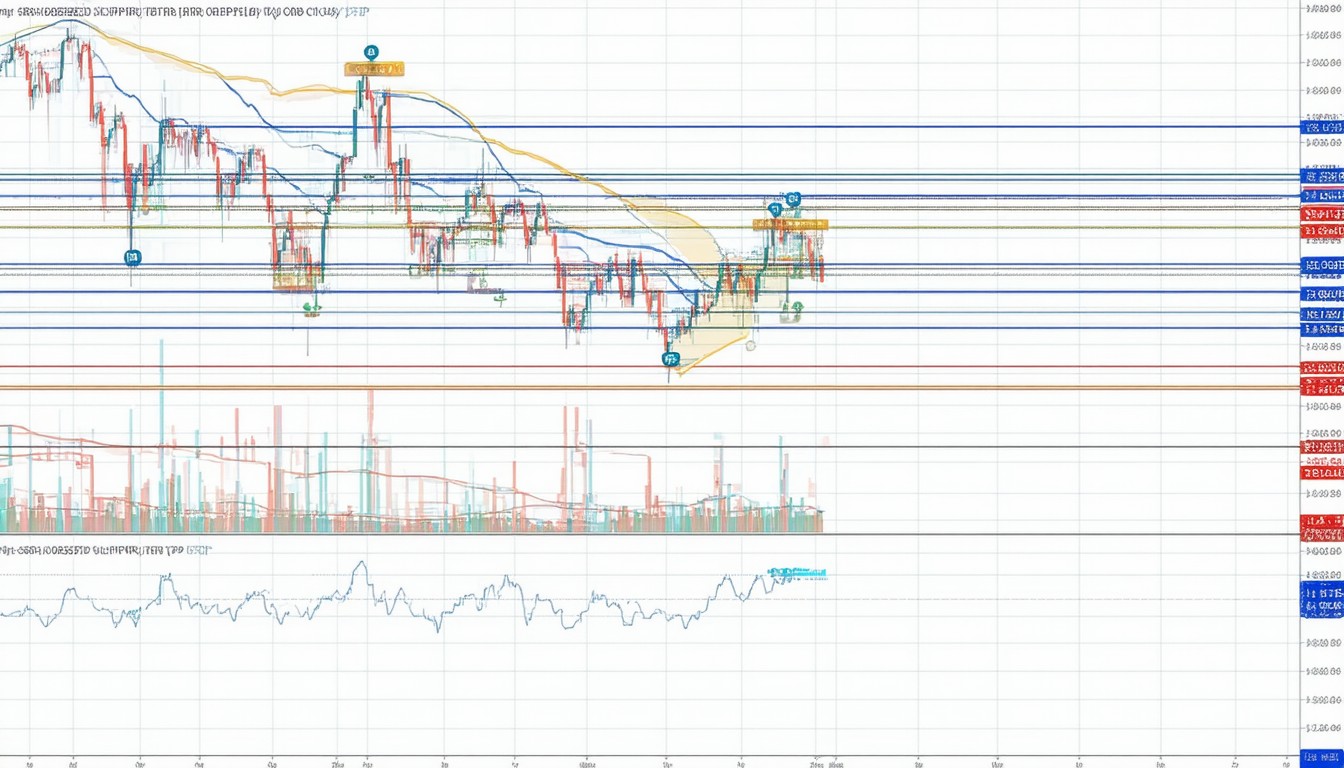
Beyond news, technical analysis and automated trading play a key role in Bitcoin price movements. When Bitcoin breaches critical support levels—commonly tracked by traders and bots—computerized selling accelerates. This can create the impression of sudden, unexplained moves, when in fact algorithms are reacting to established chart signals.
Comparing This Correction to Prior Downturns
Historical Corrections: Perspective and Lessons
For seasoned observers, Bitcoin’s recent drop fits a well-established pattern of deep, but usually temporary, corrections. Throughout its history, Bitcoin has experienced several drawdowns exceeding 30–50%, followed by recoveries that have ultimately set new highs. Each cycle has unique catalysts, but recurring themes—regulatory anxiety, changes in investor risk appetite, periods of excessive leverage—appear time and again.
How Today Differs
This time, however, several factors make the environment more complex:
- Greater institutional involvement means Bitcoin’s fate is increasingly tied to global macro trends.
- Regulatory scrutiny has become more sophisticated and far-reaching.
- Bitcoin’s reputation as “digital gold” is being critically tested by real-world inflation and policy responses.
By comparison to prior cycles, both upside and downside moves now tend to trigger larger ripple effects across the broader financial ecosystem.
Strategies for Navigating Volatile Bitcoin Markets
Risk Management Essentials
Successful cryptocurrency investors and traders emphasize the importance of risk controls:
- Set realistic position sizes
- Use stop-loss orders judiciously
- Avoid excessive leverage
- Diversify across assets
These fundamentals help mitigate the impact of sudden downturns and emotional decision-making.
Monitoring On-Chain Data and Market Signals
Free and paid tools allow retail investors to track on-chain movements—such as exchange inflows/outflows, whale activity, and miner metrics. Interpreting these signals alongside broader economic headlines offers a more nuanced picture of when “fear” or “greed” might be dominating.
“In crypto, data is everywhere—but context is key. Just because a large wallet moves doesn’t mean a crash is imminent. Understanding narrative, macro backdrop, and chain data together gives the best edge.”
— Experienced crypto analysts
Maintaining Perspective
Bitcoin volatility is not new, but the pace and scale can surprise even veteran investors. Focusing on long-term drivers—network adoption, mainstream usage, and improving regulations—can help distinguish short-term noise from lasting trends.
Conclusion
Bitcoin’s recent price drop is the product of intertwined forces: macroeconomic policies, regulatory headlines, sentiment swings, and internal ecosystem developments. For investors, it highlights the need for vigilance, risk management, and a layered understanding of not just Bitcoin, but the global forces at play. Those seeking opportunity amid volatility must balance optimism with realism, paying attention not just to headlines, but the deeper currents that shape digital asset markets.
FAQs
Why does Bitcoin’s price move so much more than other assets?
Bitcoin’s lack of centralized control, smaller overall market size, and high retail participation make it more sensitive to sentiment swings, news, and technical triggers compared to traditional stocks or currencies.
How do regulatory changes affect Bitcoin’s price?
Regulatory actions—like lawsuits, bans, or new ETF approvals—create uncertainty and can prompt both large sell-offs and sharp rallies, depending on the perceived impact on demand and market access.
What are cascading liquidations in crypto?
Cascading liquidations occur when leveraged traders get stopped out as prices fall, forcing the automatic sale of their positions and adding more selling pressure, which can drive the price even lower very quickly.
Is Bitcoin still considered a hedge against inflation?
Bitcoin’s behavior during periods of inflation has been mixed; while some view it as “digital gold,” its price often reacts more strongly to shifting interest rates and risk sentiment than to inflation statistics alone.
Can large holders (“whales”) manipulate the market?
While single actors rarely control the whole market, movements of large wallets can influence short-term price because their trades are closely watched and can trigger reactions among other traders.
What should investors pay attention to during downturns?
Investors should monitor global economic trends, on-chain data, regulatory news, leverage in the market, and sentiment shifts. Practicing sound risk management and avoiding emotionally driven decisions are essential during volatile periods.