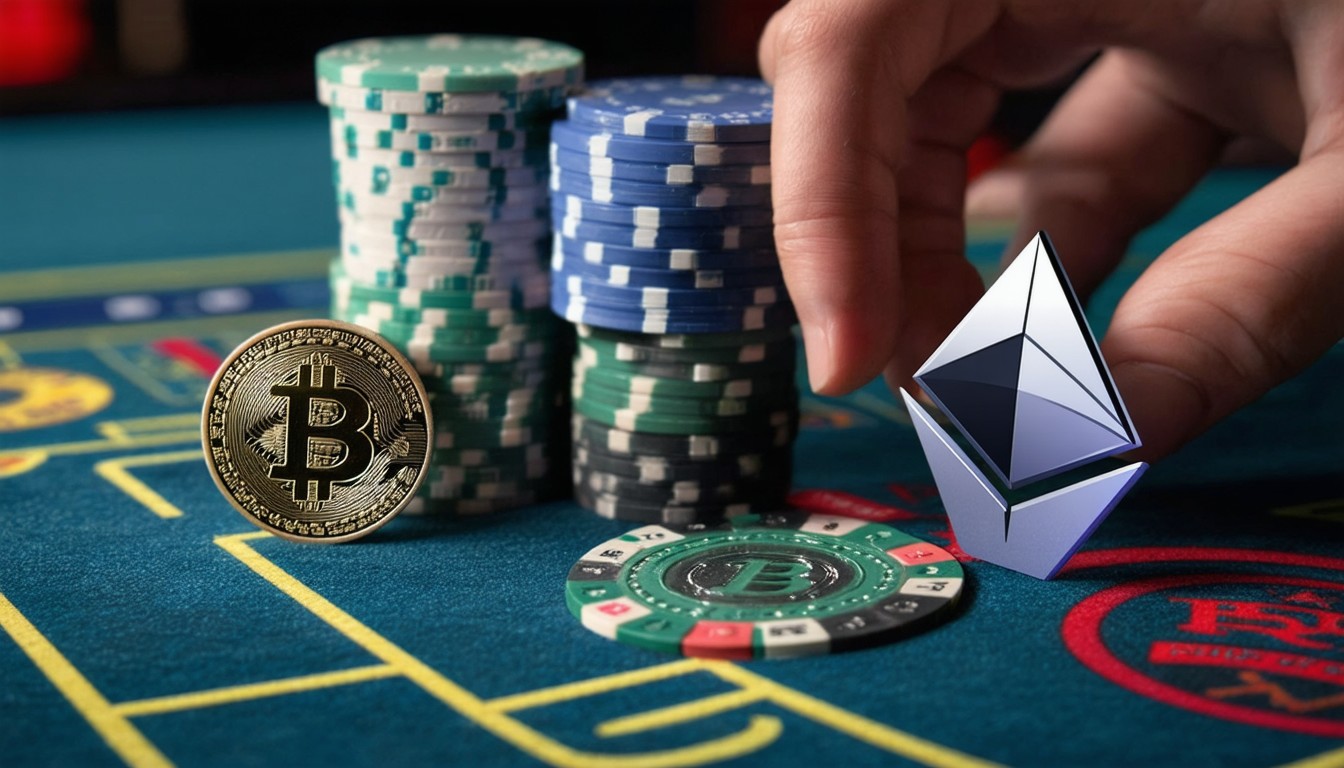
Cryptocurrency has transformed online gambling, with Bitcoin casinos charting the first path and Ethereum casinos rapidly emerging as formidable contenders. As blockchain-based gaming platforms multiply, the slogan “decentralized, transparent, secure” is becoming the industry norm. But underneath the surface, sharp differences between Ethereum and Bitcoin casinos are shaping player experience, technological innovation, and platform flexibility. Determining which variant truly delivers superior technology and adaptability isn’t just a matter of preference—it’s about understanding foundational blockchain mechanics and the evolving demands of digital gamblers.
The Backbone: Blockchain Technology in Casino Platforms
How Bitcoin Laid the Groundwork
Bitcoin, launched in 2009, was the first cryptocurrency to gain mainstream acceptance. Its robust, immutable public ledger allows casinos to process transparent, nearly irreversible transactions. For players, this means provably fair games and straightforward deposits and withdrawals. Bitcoin’s status as the original crypto granted early casino platforms industry clout and widespread user trust.
However, Bitcoin operates with notable limitations:
- Simple scripting language: It lacks the sophistication required for complex smart contracts.
- Network speed constraints: With about 7 transactions per second (TPS), network congestion or high fees can hamper game flow.
- Rigid token design: Bitcoin’s core is designed for value transfer, not interactive gaming logic.
Ethereum: Beyond Value Transfer
Ethereum, introduced in 2015, was purpose-built for decentralized applications through the use of smart contracts. These self-executing contracts allow for nuanced game logic, autonomous payouts, and quicker implementation of new game genres. Ethereum casinos, therefore, can deliver interactive experiences far beyond Bitcoin’s core capabilities.
Key attributes of Ethereum for gambling platforms:
- Smart contracts enable trustless, instant execution.
- ERC-20 and ERC-721 token standards open pathways to NFT integration and custom assets.
- Higher theoretical TPS (especially with upgrades such as Ethereum 2.0) improves user experience.
As casino operators and users increasingly demand gamification, loyalty programs, and unusual betting mechanics, Ethereum’s flexible architecture is proving a true differentiator.
Key Technical Comparisons: Speed, Scalability, and Transaction Costs
Transaction Speed and Network Congestion
Bitcoin’s block time (around 10 minutes) and low TPS can make frequent gaming interactions cumbersome, particularly during periods of network congestion. Players facing slow confirmations may lose patience, impacting casino retention rates.
Ethereum, with a block time of 12–14 seconds, offers dramatically faster confirmations. The imminent rollout of ETH’s scaling solutions—including rollups and sharding—stands to further reduce latency and fees, which is crucial as casino traffic surges.
Transaction Costs: Fees and Volatility
Historically, both Bitcoin and Ethereum have faced periods of high transaction fees. However, the competitive development of Layer 2 scaling solutions (like Lightning Network for Bitcoin and various Ethereum L2s such as Optimism or Arbitrum) are driving fees lower.
“The adoption of efficient scaling solutions is a game-changer for crypto casinos. Platforms prioritizing transaction speed and low fees are likely to dominate user retention,” notes Mark Beardsley, a blockchain gaming consultant.
In effect, the most agile Ethereum casinos are beginning to match or even undercut Bitcoin casino transaction costs—while offering richer, more interactive gameplay features.
Flexibility: Game Variety, Smart Contracts, and User Experience
Smart Contract Innovation (Ethereum)
Smart contracts lie at the heart of Ethereum casinos’ flexibility. They underpin:
- Provably fair games with transparent logic
- Automated, immediate payouts
- Tokenized rewards, collectibles, and NFTs
- Custom rulesets for tournaments and pools
For example, platforms such as FunFair and Edgeless have pioneered novel betting formats impossible with Bitcoin-only architectures.
Game Offering and Integrations
Bitcoin casinos often focus on traditional table games, slots, and sports betting, leveraging their original crypto status for broad payment acceptance. But creating new, complex games can be slow, as they lack the modular infrastructure of Ethereum’s dApp ecosystem.
Ethereum casinos, by contrast, foster a more diverse landscape. Developers can quickly build and deploy original games, NFT-based lotteries, and community-driven jackpots, thanks to the smart contract frameworks and open-source tooling.
Case Example: NFT Integration in Ethereum Casinos
Consider an Ethereum-based casino that issues tradable NFTs as loyalty rewards. Players might use these NFTs to unlock exclusive tournaments, trade them for profit, or display them in metaverse-connected environments—an experience unattainable on legacy Bitcoin platforms.
Security and Transparency: Who Has the Edge?
Bitcoin’s Simplicity and Reputation
Bitcoin’s simple scripting fosters reliability; its “digital gold” reputation attracts users seeking minimal friction. Because its transaction model is straightforward, the attack surface is smaller—resulting in rare, highly publicized security incidents.
Ethereum’s Complexity and Auditing Demands
Ethereum’s flexibility, while a strength, introduces potential vulnerabilities. Poorly written or inadequately audited smart contracts can be exploited, as seen in several high-profile DeFi hacks. Reputable Ethereum casinos counteract this with transparent audits and bug bounty programs, making trust and transparency a core brand differentiator.
“As platforms race to deliver innovative features, rigorous third-party smart contract audits are the bedrock of user safety,” states Emily Li, a blockchain security analyst.
Ultimately, both ecosystems offer transparency. But Ethereum’s rapid pace of feature innovation places greater responsibility on developers to proactively maintain security standards.
Regulatory Landscape and Geographic Reach
With global regulations catching up to crypto gaming, both Bitcoin and Ethereum casinos must adapt to local compliance requirements. Bitcoin’s longer history means more clearly defined regulatory perspectives in some jurisdictions. However, Ethereum casinos—especially those leveraging decentralized autonomous organization (DAO) models—present nuanced regulatory challenges and opportunities. Flexibility in compliance often depends on the underlying blockchain rather than merely the casino’s branding.
Who Wins? Weighing Tech and Flexibility
No single platform dominates across every dimension. But a few key narratives emerge:
- Established reliability: Bitcoin casinos provide tried-and-true payments and a more traditional gambling experience.
- Innovative potential: Ethereum casinos are rapidly evolving, leveraging smart contracts and NFTs to reinvent engagement, loyalty, and game mechanics.
- Adaptability to future trends: As blockchain gaming merges with Web3, the composability and programmability of Ethereum platforms position them well for new paradigms—like play-to-earn, cross-chain play, and metaverse casinos.
Conclusion: Selecting the Right Crypto Casino Ecosystem
The contest between Ethereum and Bitcoin casinos distills down to priorities. Those valuing simplicity, classic gameplay, and payment stability gravitate towards Bitcoin platforms. On the other hand, gamblers seeking next-generation interactivity, custom betting, and the potential for digital asset ownership find Ethereum casinos more compelling. For operators and players alike, understanding the distinct advantages and trade-offs of each ecosystem is crucial in navigating the ever-expanding world of decentralized gambling.
FAQs
What is the main difference between Ethereum and Bitcoin casinos?
Bitcoin casinos focus on simplicity and rely on the original cryptocurrency for payments. Ethereum casinos, in contrast, utilize smart contracts to offer complex games, instant payouts, and innovative features like NFTs and tokenized rewards.
Are Ethereum casinos safer than Bitcoin casinos?
Both types offer a high degree of transparency through blockchain technology. However, Ethereum casinos’ reliance on smart contracts introduces potential vulnerabilities if the code isn’t audited, making security diligence especially important.
Which is faster for deposits and withdrawals: Ethereum or Bitcoin casinos?
Generally, Ethereum casinos provide quicker transaction confirmation times than Bitcoin casinos, thanks to their shorter block times and evolving scaling solutions.
Can I use other cryptocurrencies on Ethereum and Bitcoin casinos?
Many platforms accept a growing variety of tokens, but Bitcoin-only casinos tend to have more limited currency support. Ethereum casinos are often more flexible due to compatibility with multiple ERC-20 tokens.
Do Bitcoin casinos offer NFT or metaverse integration?
Currently, NFT and metaverse features are far more prevalent in Ethereum-based casinos, reflecting their smart contract and token standard capabilities.
How do fees compare between Ethereum and Bitcoin casinos?
Fees on both platforms fluctuate with network usage, but recent advances in scaling technologies are driving them lower—especially for Ethereum with Layer 2 solutions. Always check platform-specific fee structures, as these can significantly impact your experience.