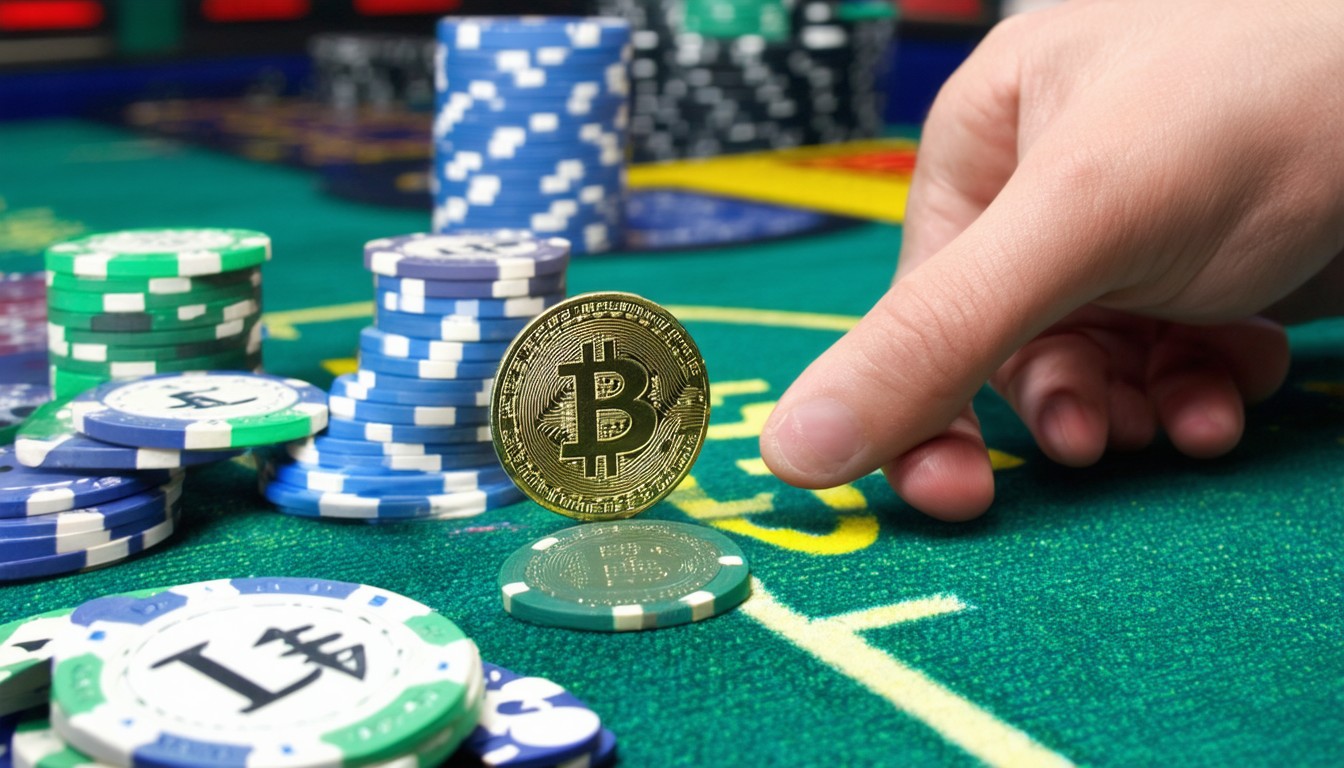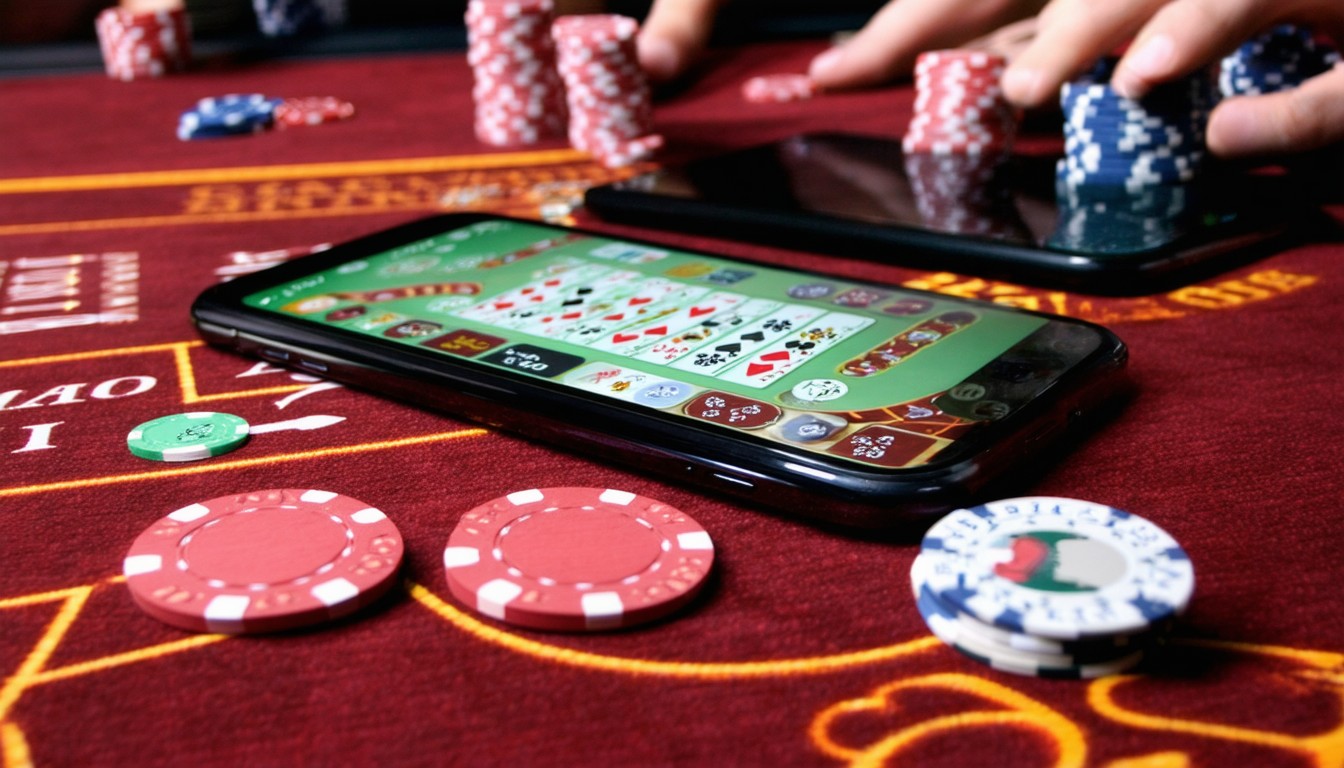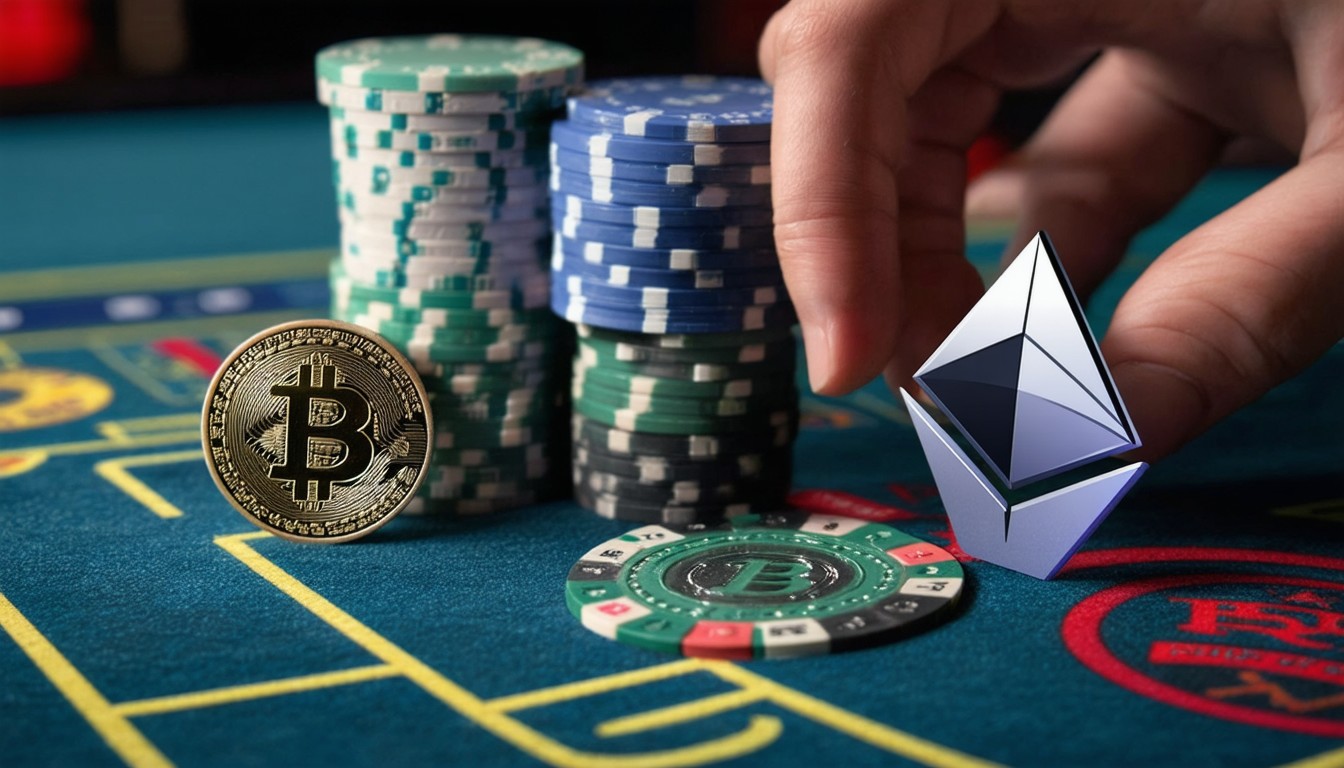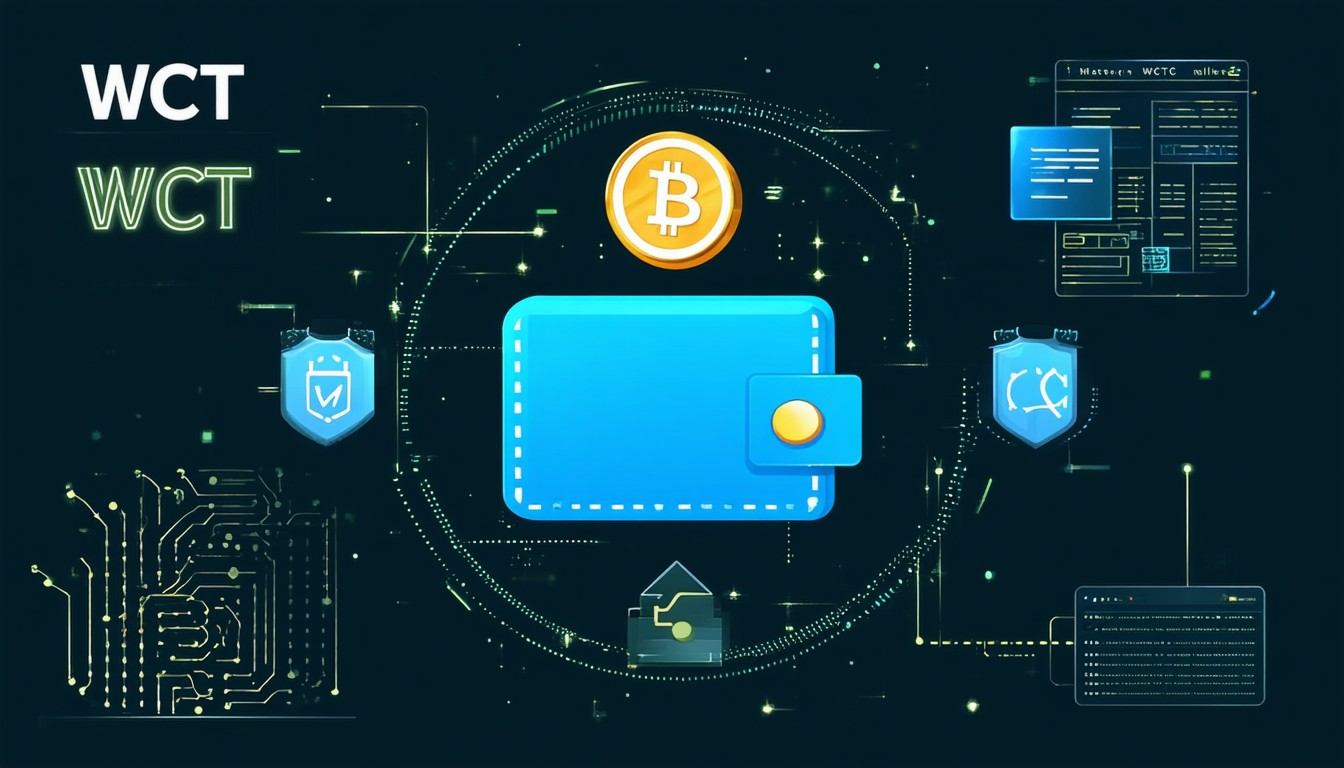
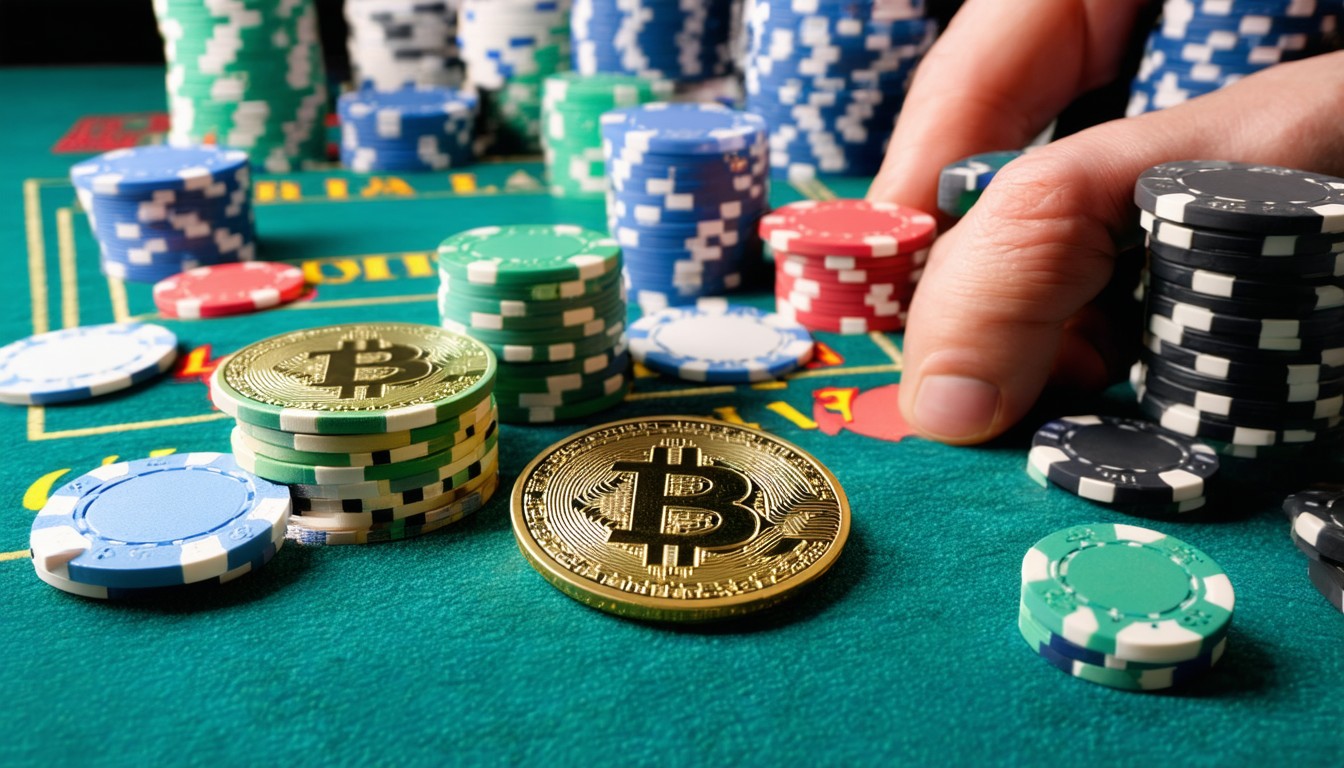
The surge of altcoin casinos—online betting platforms that accept cryptocurrencies beyond just Bitcoin—has redefined the landscape of iGaming. These casinos tout benefits such as swift transactions, global accessibility, and generous bonuses. However, they also expose players and operators to the notorious volatility of crypto markets. As players increasingly seek both entertainment and financial security, the key question emerges: can an altcoin casino really be stable, and what should participants know in order to manage crypto volatility wisely?
The Nature of Crypto-Backed Gambling Platforms
Altcoin casinos operate in a digital economy shaped by rapid price swings. Unlike fiat-only casinos, these platforms deal with currencies like Ethereum, Solana, Dogecoin, and myriad niche tokens. With many altcoins showing double-digit percentage movements in a single day, both users and casino operators face unique risks and opportunities.
Why Players Choose Altcoin Casinos
Players are drawn to altcoin casinos for several reasons:
- Faster Transactions: Blockchain settlements are near-instant, bypassing traditional banking delays.
- Global Accessibility: Crypto transcends borders, giving access to users in regions where fiat gambling is restricted.
- Transparency and Anonymity: Blockchain architectures, if properly utilized, ensure fairness and privacy.
Yet each of these strengths also comes with a trade-off—namely, exposure to extreme price fluctuations exactly at the point of play and payout.
Pinpointing the Sources of Instability
To evaluate stability, it’s critical to understand what drives (and undermines) it in practice.
Volatility: Inherent to Altcoins
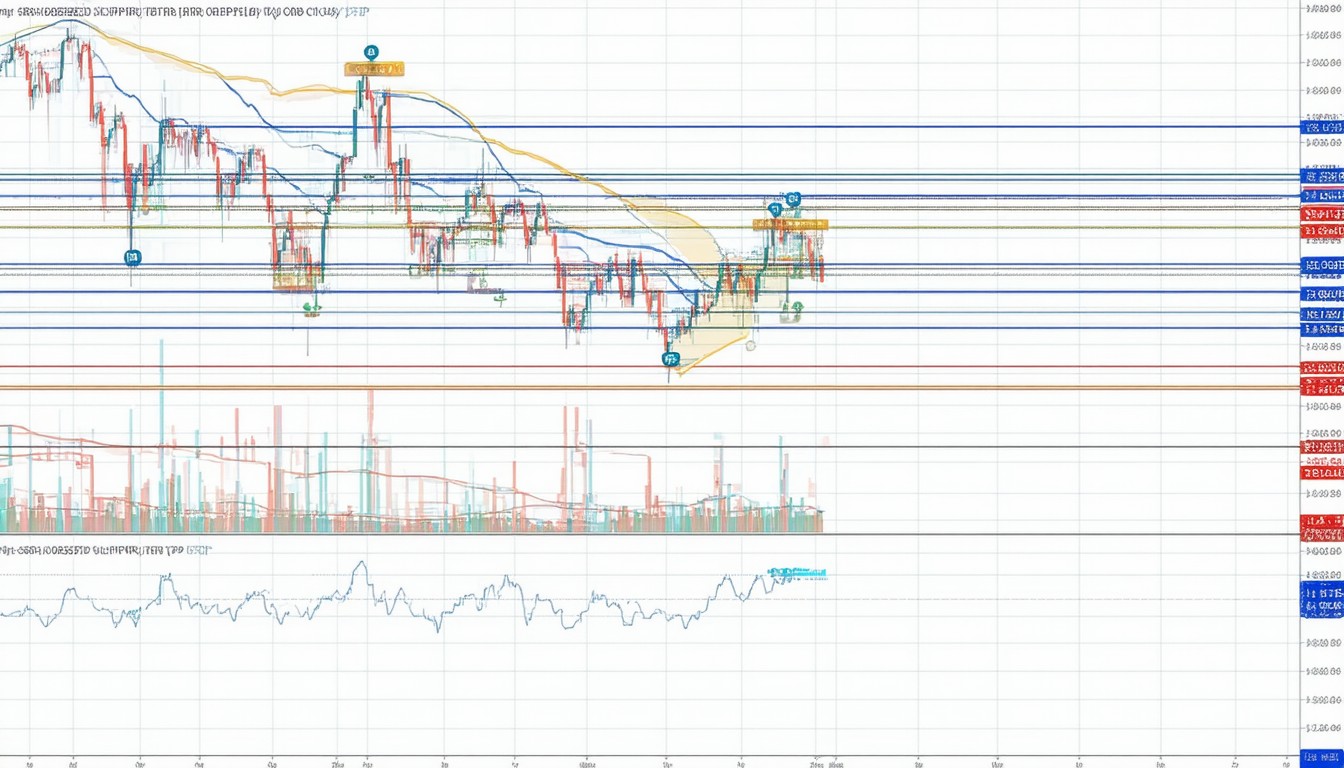
Most altcoins are traded on global, 24/7 markets, where regulatory news, blockchain upgrades, and even social media sentiment can provoke wild price swings. For example, a meme coin could rally 70% after a celebrity endorsement or drop just as quickly following a security scare.
Platform Liquidity and Treasury Management
Casinos must handle their own exposure by maintaining liquidity pools, managing “house funds,” and sometimes hedging against declines in the value of the altcoins they accept. Poor treasury management can leave users facing delayed withdrawals or imposed limits if market conditions rapidly sour.
“The stability of an altcoin casino is only as strong as its treasury and risk management approach. Operators who build robust reserves and adapt quickly are the ones that survive market shocks.”
— Eliza Helmstedt, Crypto Gaming Risk Consultant
Smart Contract and Security Risks
Beyond market risks, technical vulnerabilities such as contract exploits or hot wallet hacks can undermine stability. Even reputable brands have, at times, suffered outages or losses due to flaws in their software or external threats.
How Top Altcoin Casinos Navigate Volatility
Some innovative platforms have adopted practical strategies to increase their resilience—benefiting both their bottom line and player confidence.
Instantaneous Conversion to Stablecoins
A rising trend is for altcoin casinos to automatically convert deposits or winnings to stablecoins (e.g., USDT, USDC, DAI) upon receipt. Stablecoins are pegged to fiat currencies, usually the USD, reducing exposure to unpredictable price swings while preserving user anonymity and transaction speed.
Case in Point: “Dual Wallet” Models
A few leading platforms offer “dual wallets”—a user can wager with altcoin, but their casino balance is held in a stablecoin equivalent. If the player wins, they can later choose to withdraw in either the original altcoin or in stablecoin, effectively freezing the value at the prevailing exchange rate at the moment of conversion.
Hedging and Automated Risk Management
Sophisticated casinos employ automated bots or financial derivatives to hedge against exposure. By selling short positions or using options, they can offset losses if an altcoin sharply depreciates. This technique is more common in larger or integrated casino groups with access to OTC desks and advanced trading tools.
Flexible Betting Denominations
Rather than locking wagers to a fixed number of coins (which might balloon or shrink in value overnight), some platforms denominate bets in fiat value—automatically recalibrating the required crypto amount in real time.
Best Practices for Players Dealing with Volatility
While casinos themselves are evolving, players also have levers at their disposal to better manage the impact of crypto price swings.
Setting Personal Stop-Loss and Profit Targets
As with trading, players can decide ahead of time to cash out winnings or cut losses if the value of their tokens fluctuates wildly. Using stablecoins as an intermediate store of value is one approach to lock in gains.
Diversifying Token Balances
Playing exclusively with a highly speculative altcoin amplifies risk. Diversifying deposits across multiple major tokens—especially those with higher daily trading volumes and clearer use cases—can tamp down exposure to the collapse of a single coin.
Mindful Timing of Deposits and Withdrawals
Monitoring market sentiment and avoiding high-volatility news windows (such as major crypto conferences or regulatory announcement days) can reduce exposure to price whipsaws while funds are kept in casino wallets.
Regulatory and Transparency Developments
The wider adoption of crypto casinos has attracted regulatory scrutiny. Some jurisdictions now require transparency reports, regular audits of reserves, and proof-of-liquidity mechanisms.
Fairness, Audits, and Proof-of-Reserves
Reputable altcoin casinos publish independent audits and cryptographic proofs that show their custody of player funds matches liabilities. This is critical during periods of market stress when rumors or insolvency fears can spark “bank runs.”
“Clear, third-party audits and adoption of proof-of-reserves aren’t just best practices—they’re lifelines for sustaining trust as volatility shakes the market.”
— Daniel P., Blockchain Audit Lead
The Psychology of Volatility: Staying Sane
Crypto volatility isn’t just a technical or financial challenge—it’s an emotional one. The temptation to “ride trends” or avoid cashing out in hopes of further gains often undermines rational play.
Mental Health and Responsible Gambling
Some altcoin casinos now highlight responsible gaming tools: session limits, self-exclusion options, and voluntary cooling-off periods. These can help buffer the psychological impact of big wins (or losses) and the additional stress of price swings.
Educating Users
A blend of player education, financial literacy resources, and transparent communication can build a more resilient user base. Casinos that foster such an environment tend to enjoy greater long-term loyalty—even when the market turns turbulent.
Conclusion
Stability in altcoin casinos is not an absolute but a continuum—shaped by market forces, operator practices, and user choices. While volatility will always be a part of the crypto gambling experience, effective risk management by both platforms and players can mitigate its most disruptive impacts. Industry leaders prove that stability is possible, especially when underpinned by stablecoin integration, transparent treasury practices, and robust responsible gaming frameworks. For those willing to actively monitor both their gameplay and their crypto exposure, altcoin casinos offer a viable—and increasingly stable—way to play.
FAQs
Can altcoin casinos truly offer a stable betting experience?
While inherent volatility in altcoins persists, some casinos reduce risk by using stablecoins, instant conversions, or real-time fiat-denominated bets, limiting users’ exposure to sudden swings.
How do casinos protect players from extreme price fluctuations?
Leading platforms implement mechanisms like dual wallets, hedges, and automated risk tools to keep users’ balances insulated from the sharpest market drops or surges.
What role do audits play in crypto casino stability?
Regular third-party audits and public proof-of-reserves statements increase trust by confirming the casino holds enough crypto to match user balances, especially vital during volatile periods.
Are there ways for players to minimize their own risk when using altcoin casinos?
Players can diversify token holdings, set stop-loss thresholds, and opt for stablecoins when available, all of which help smooth out the effects of price volatility.
How does crypto volatility affect the mental aspect of gambling?
Frequent price changes can add emotional stress to gambling; tools like responsible gaming features and financial safeguards help users manage both risk and psychological impact.
What warning signs should players watch for in unstable altcoin casinos?
Delayed withdrawals, lack of transparency, absence of public audits, and limited customer support may indicate higher risk during volatile market conditions. Always prioritize platforms with robust disclosure and safety measures.