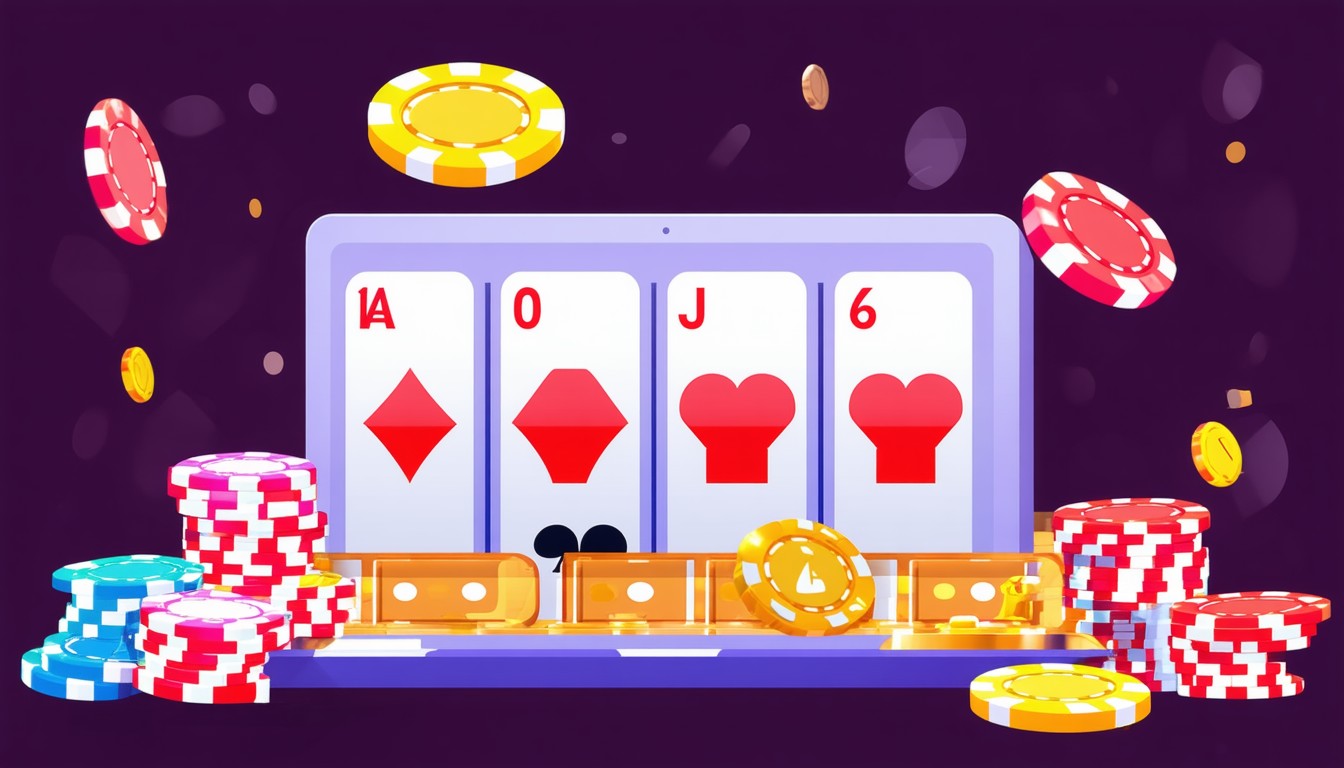

The explosive growth of online gambling has brought both convenience and new forms of risk, particularly for those looking to manage or avoid excessive betting. As concerns around privacy, security, and responsible gaming have intensified, anonymous casinos—platforms allowing users to gamble without traditional identity verification—have gained significant traction. Supporters see these venues as an opportunity for privacy-conscious players, but critics worry the lack of oversight might exacerbate problem gambling. The intersection of anonymity and addiction prevention is complex and increasingly relevant as digital gambling continues to outpace regulatory systems.
Understanding Anonymous Casinos and How They Work
Anonymous casinos are online gambling sites that require minimal personal information to open and use an account. Typically, these platforms accept cryptocurrencies such as Bitcoin or Ethereum, bypassing banking systems and Know Your Customer (KYC) protocols. This approach allows players to register, deposit, and bet with unparalleled privacy.
While traditional online casinos usually require users to submit identity verification documents and tie their activity to a specific name or payment method, anonymous casinos may only ask for an email address or even permit play without registration. These features can be appealing for several reasons:
- Enhanced privacy and data protection
- Faster onboarding and fewer verification hurdles
- Easier access for users in regions with gambling restrictions
However, these same features introduce challenges around transparency, responsible gambling enforcement, and age verification.
Real-World Growth and Trends
The number of anonymous casino operators has grown rapidly in major gambling markets, with many brands leveraging blockchain technology to provide both transparency in games (via provably fair systems) and opaqueness in player identity. According to industry tracking, a significant share of new crypto casinos now advertise “no KYC” as a central selling point. This trend reflects both rising privacy concerns among consumers and a broader shift toward decentralized finance and digital assets.
Can Anonymity Prevent Over-Gambling? The Arguments in Favor
Privacy advocates and some responsible gambling experts argue that anonymous casinos can have surprising benefits—especially for those trying to manage unhealthy gambling behaviors.
The Case for Anonymity as a Harm-Reduction Tool
One theory holds that anonymity might make it easier for players who are worried about stigma to seek help or access self-exclusion tools. In regions where gambling addiction remains socially taboo, knowing one’s activity cannot be traced to their real identity could, in some cases, reduce shame and encourage more honest self-assessment.
Moreover, some platforms use anonymous deposit or play features alongside built-in session and deposit limits, allowing users to control their exposure discreetly. For certain individuals, especially those wary of sharing sensitive data, this model could lower barriers to safer play.
“Anonymity, when paired with robust player tools, can empower individuals to set boundaries without fear of social consequences,” says Dr. Riley Morgan, a psychologist specializing in addiction and digital behaviors.
Early Data and Player Experiences
Anecdotal evidence from player forums and emerging academic research indicates that some users do feel “freer” to step back from gambling, self-ban, or ask for support when their personal identity is not in play. In particular, younger digital-native gamblers—who are often more privacy-conscious—report that anonymous platforms give them more comfort experimenting with restriction tools.
The Downsides: How Anonymous Casinos Can Enable Over-Gambling
Despite these possible upsides, most experts agree that the risks inherent in anonymous casinos are substantial—particularly when it comes to preventing and intervening in cases of problem gambling.
Lack of Oversight and Self-Exclusion Barriers
The most significant issue is the lack of regulatory oversight. Traditional online casinos are often required by law to offer player protection measures, such as:
- Enforced cooling-off periods and self-exclusion options
- Monitoring betting patterns for risky behavior
- Age and identity verification
With anonymous casinos, these protections can be difficult, if not impossible, to enforce. Because users can open multiple accounts or avoid providing identifying information, individuals struggling with gambling addiction may find it easier to evade bans or hop between sites.
Underage Gambling and Social Risks
The lack of identity checks also makes anonymous casinos vulnerable to underage users and those trying to circumvent national gambling laws. While some platforms attempt to implement age gates or digital wallet restrictions, these measures are less robust without verification.
Additionally, because financial transactions on these sites often use cryptocurrencies, it can be harder for financial institutions—or loved ones—to spot worrisome spending patterns.
Case Study: Relapse Through Anonymity
In practice, anonymous casinos have become a “loophole” for some individuals attempting to quit gambling. Support organizations in countries like the UK and Australia have raised alarms about users who, after self-excluding from regulated platforms, migrate to anonymous alternatives and quickly lose hard-won progress. This phenomenon undermines national self-exclusion schemes and can perpetuate cycles of addiction.
Regulatory Perspectives and the Industry Response
Governments and gambling regulators are increasingly concerned about the growth of anonymous casinos. The absence of robust KYC checks and responsible gambling requirements raises serious questions about consumer protection.
International Responses
Some jurisdictions, like the United Kingdom, have moved to block or limit access to anonymous online gambling sites, introducing stricter enforcement on payment processing and advertising. However, the decentralized nature of these casinos makes them difficult to monitor, and global consensus on regulation remains elusive.
Casino Industry Innovations
In response to criticism, a growing number of crypto casinos are voluntarily integrating player protection features, including:
- Blockchain-based self-exclusion registries that prevent the same crypto wallet from being reused
- Gamification of responsible gambling (such as achievement badges for healthy play)
- AI-driven monitoring for signs of compulsive gambling
Despite these efforts, comprehensive real-world studies of their efficacy are still limited.
Practical Tips for Players Trying to Avoid Over-Gambling
For individuals looking to gamble responsibly—especially those drawn to the privacy of anonymous casinos—practical steps can mitigate some of the risks:
- Set strict deposit and time limits before starting any session.
- Use third-party wallet controls to help monitor spending.
- Choose platforms that offer optional responsible gaming tools, even if not mandated.
- Inform friends or family and ask for support holding yourself accountable.
- Consider using national or global self-exclusion registries, where compatible.
Conclusion: Weighing Privacy Against Protection
The rise of anonymous casinos introduces a powerful but double-edged tool in the effort to manage over-gambling. For some, enhanced privacy may foster more honest self-management; for others, the lack of oversight can dangerously amplify risk. As the gambling landscape shifts, it is essential that innovation in privacy is matched by advances in player protection—whether through regulation, technology, or community engagement.
Ultimately, individuals must balance their own privacy needs with the imperative of safeguarding their financial and emotional well-being. For those struggling with gambling, seeking support from licensed organizations remains a vital first step, regardless of platform choice.
FAQs
What makes a casino “anonymous”?
An anonymous casino typically allows registration and play without traditional identity verification or banking details, often using cryptocurrencies to facilitate private transactions.
Can anonymous casinos help people gamble more responsibly?
In some cases, the absence of stigma and ease of self-limitation tools can help, but most experts caution that weak oversight usually makes harm prevention harder.
Are anonymous casinos legal everywhere?
No. Many countries restrict or outright ban access to online gambling sites that do not comply with local regulations, but enforcement is inconsistent across jurisdictions.
How do anonymous casinos affect self-exclusion practices?
Because users can often create new accounts or avoid linking activity to their real identity, self-exclusion is frequently less effective on these platforms compared to regulated operators.
What are the main risks of using an anonymous casino?
Primary risks include lack of player protection, increased potential for underage gambling, easier relapse for recovering addicts, and challenges around recourse in the event of disputes.
Are there any safer alternatives for privacy-conscious gamblers?
Some regulated platforms now offer enhanced privacy options while still enforcing strong responsible gaming measures, providing a middle ground between complete anonymity and traditional oversight.