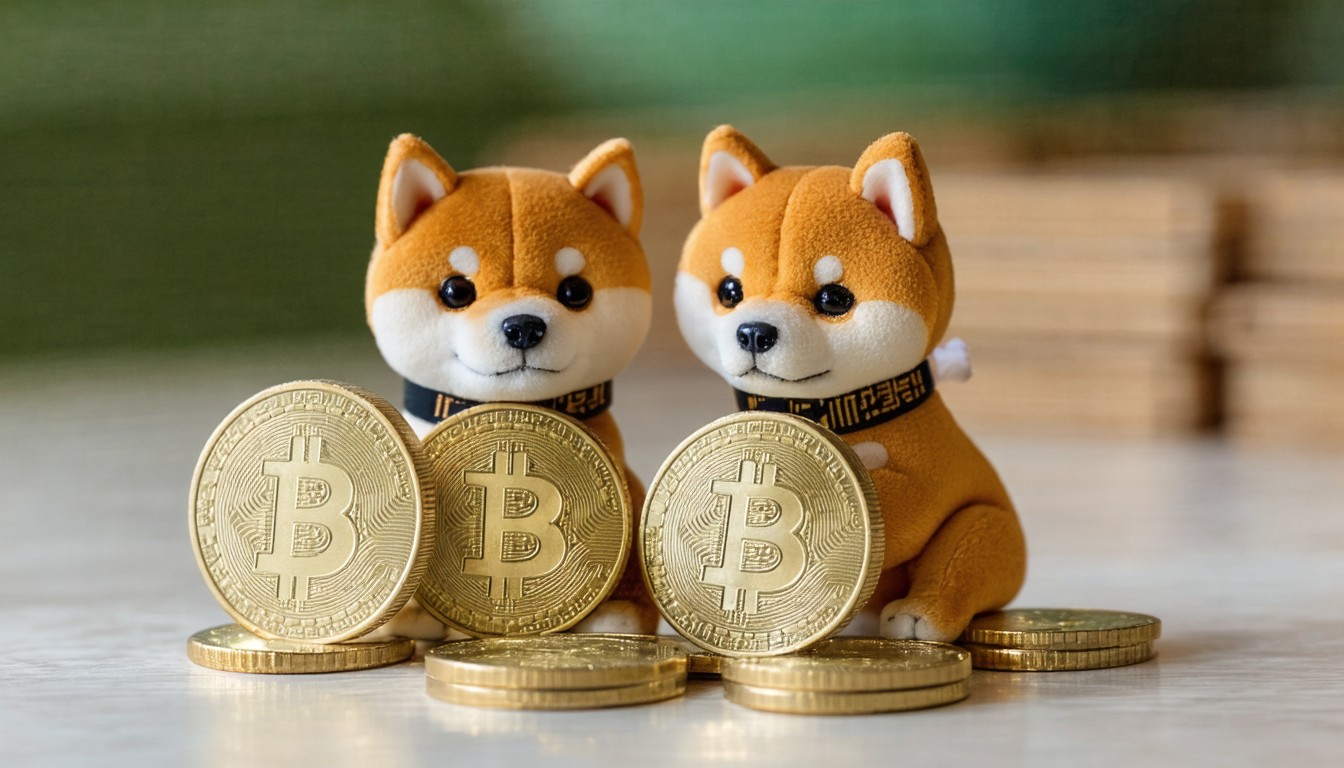
Dogecoin, famously launched in 2013 as a lighthearted cryptocurrency inspired by the popular “Doge” meme, has grown into a thriving digital asset with a passionate global community. With its approachable branding and accessible technology, Dogecoin has won over both beginner and experienced crypto enthusiasts. As its value and adoption have risen—spurred in part by notable figures and viral trends—many newcomers are exploring how to mine Dogecoin as a practical entry point into the world of crypto mining.
This guide provides a thorough, step-by-step overview for beginners interested in mining Dogecoin, touching on technology requirements, processes, rewards, risks, and practical strategies.
Understanding Dogecoin Mining
Mining is the decentralized process through which transactions are verified and added to the Dogecoin blockchain. In return for their computational power, miners are rewarded with new Dogecoins. At its core, mining keeps the network secure, transparent, and functional.
How Dogecoin Mining Works
Dogecoin uses a proof-of-work (PoW) consensus mechanism. Specifically, it’s based on Scrypt technology, the same algorithm as Litecoin. This design allows Dogecoin to be mined both independently and merged (or “auxiliary”) with Litecoin, increasing both coins’ network security.
- Hardware solves complex cryptographic problems.
- Successful miners validate transaction blocks.
- Rewards are automatically distributed to miners according to their computational contribution.
Scrypt Algorithm: What Makes It Unique?
Unlike Bitcoin’s SHA-256 algorithm, Scrypt is designed for efficiency and accessibility—originally making Dogecoin mining possible even with consumer-grade hardware. Over time, however, dedicated Scrypt ASICs have become more common, leading to greater network difficulty but also higher reliability and power efficiency for miners.
“For beginners, Dogecoin’s Scrypt-based mining model offers a more approachable entry point than Bitcoin, but hardware competitiveness is steadily increasing. New miners should weigh their setup costs and power availability carefully.”
— Many crypto mining analysts agree
Choosing Your Dogecoin Mining Approach
Before you begin, identify which mining method aligns best with your resources, risk tolerance, and goals. There are three main ways to mine Dogecoin:
- Solo Mining: Mining blocks independently. Suitable only for those with significant hardware and capital, as chances of earning rewards are lower due to competition.
- Pool Mining: Combining your computing power with others for a greater probability of earning consistent, albeit smaller, rewards.
- Cloud Mining: Renting hash power from remote data centers, allowing for passive participation without upfront hardware investment.
Solo vs. Pool vs. Cloud Mining: Key Differences
| Method | Pros | Cons | Best For |
|————–|————————————-|—————————————-|————————-|
| Solo Mining | Full reward if block is found | Very rare payouts; high cost | Advanced users |
| Pool Mining | More frequent, steady payouts | Shared rewards; pool fees | Most beginners |
| Cloud Mining | No hardware required; easy setup | Scams common; less control; contracts | Passive participants |
Hardware and Software Requirements
Choosing Mining Hardware
In today’s landscape, three primary options exist:
- CPU/GPU (Personal Computer): Suitable only for learning and very modest returns, as consumer hardware now struggles with Dogecoin’s mining difficulty.
- Scrypt ASIC Miners: Specialized devices delivering the best efficiency for serious miners. Popular models include Bitmain Antminer L3+ and Innosilicon A2 Terminator.
- Cloud Mining Providers: No hardware owned directly; instead, contracts are purchased from providers like NiceHash or Genesis Mining (always research legitimacy).
Selecting Mining Software
After setting up your hardware, install compatible mining software:
- MultiDoge or Dogecoin Core for soles/wallet management
- CGMiner, EasyMiner, or MultiMiner for ASIC setups
- Pool-specific clients if joining groups like AikaPool or ProHashing
Configuration details (URL, worker info) are typically provided by your chosen pool or cloud service.
Step-by-Step Guide: How to Mine Dogecoin
1. Set Up a Dogecoin Wallet
- Download and install a trusted Dogecoin wallet. MultiDoge (lightweight) or Dogecoin Core (full node) are widely used.
- Note your wallet’s address and back up your recovery seeds in a safe location.
2. Choose Mining Approach
- Decide solo, pool, or cloud. For most, pool mining offers the smoothest entry point.
3. Acquire and Prepare Hardware
- For GPU/ASIC, assemble and test your rig, ensure good airflow, and check your power supply.
- For cloud mining, select a reputable platform and fund your account.
4. Install and Configure Mining Software
- Install recommended software for your hardware.
- Input connection settings (mining pool URL, worker username/password).
5. Connect to Pool or Network
- If joining a pool, create an account and configure a “worker.”
- Link your Dogecoin wallet to receive payouts.
6. Start Mining
- Launch your mining software. Monitor performance and temperatures regularly.
- Explore tools for automatic restarts and alerts in case of errors or overheating.
7. Track Earnings and Optimize
- Most mining pools offer dashboards to monitor payout frequency, hash rates, and efficiency.
- Over time, consider optimizing your power usage and trying different pools as fee structures and block rewards can fluctuate.

Mining Profitability: Key Factors to Consider
Dogecoin’s mining environment—like all cryptocurrencies—is dynamic. Even with the lighthearted spirit of its community, profitability boils down to hard data.
Main Variables Affecting Returns
- Mining Difficulty: Adjusts over time based on network activity and total hash rate.
- Block Rewards: Fixed at 10,000 DOGE per block; new blocks roughly every minute.
- Electricity Costs: Often the defining profitability factor; inexpensive power is critical for sustained earnings.
- Hardware Efficiency: ASIC vs. GPU power consumption and initial costs.
- DOGE Market Price: As prices fluctuate, so do the relative value of mined coins and ROI timelines.
Real-World Profitability Scenarios
During periods of high DOGE prices, some miners have reported payback periods of just a few months with efficient ASICs and cheap power. On the other hand, when market prices dip or mining difficulty spikes, break-even timelines can extend dramatically—especially for those in regions with expensive electricity.
Risks, Limitations, and Security Considerations
While mining can be rewarding, it comes with inherent risks:
- Upfront Capital: Equipment costs aren’t trivial, and resale values fluctuate.
- Operational Risks: Overheating, fire hazards, or unexpected hardware failures.
- Scams in Cloud Mining: Some platforms overpromise or fail to deliver; always vet providers.
- Market Volatility: Dogecoin’s price can swing sharply, impacting real earnings.
- Regulatory Uncertainty: Some jurisdictions restrict crypto mining or impose high taxes.
“Mining’s technical barriers have increased with hardware arms races and fluctuating energy costs. Always approach mining as a real business venture, not a guaranteed profit machine.”
Mining Dogecoin Together: The Value of Community
Dogecoin’s community-driven ethos sets it apart from many other cryptocurrencies. Pool mining isn’t just practical—it’s where newcomers find guidance, troubleshoot issues, and celebrate milestones together. Reddit’s r/dogecoin and Discord servers are valuable sources for tips, safety alerts, and real-time market sentiment.
By participating, miners are not only rewarded financially but also contribute to one of crypto’s most welcoming and philanthropic cultures—famous for charitable campaigns and crowdfunding efforts.
Conclusion
Mining Dogecoin offers an engaging pathway into cryptocurrency, combining technical learning, community spirit, and the potential for financial reward. By understanding how Dogecoin mining operates—and by equipping yourself with the right tools, security measures, and expectations—any beginner can explore this vibrant facet of the digital economy.
Success often depends on selecting the right mining strategy, carefully weighing setup costs against potential returns, and staying plugged into the latest developments in both hardware and market trends. For those ready to dive in, Dogecoin mining is as much about curiosity and camaraderie as it is about coins.
FAQs
Is Dogecoin mining still profitable for beginners?
Dogecoin mining can be profitable, especially if you use efficient ASIC hardware and have low electricity costs. However, profitability fluctuates with DOGE prices, network difficulty, and your operating expenses.
Can I mine Dogecoin with my laptop or home PC?
While technically possible, mining Dogecoin with a standard PC is generally not recommended—returns are minimal and hardware strains can shorten device lifespan. ASIC miners or reputable cloud mining services are much more effective.
What mining pool should I choose for Dogecoin?
Popular Dogecoin mining pools include AikaPool, ProHashing, and Multipool. The right choice depends on factors like payout structure, fees, reliability, and available support. Check pool reviews and community feedback before joining.
Is cloud mining Dogecoin safe?
Cloud mining can be convenient but carries risks, especially due to scams and unclear contract terms. Only use well-established providers, and always research reviews before committing funds.
How do I receive and store my Dogecoin rewards?
After mining, your Dogecoin is usually sent to a personal wallet address that you control. Hardware wallets and trusted software wallets both provide safe storage; always safeguard your private keys and backup phrases.
Do I need to pay taxes on mined Dogecoin?
In many countries, mined cryptocurrency is considered taxable income. Always check your local regulations or consult a tax professional to ensure compliance with reporting and tax obligations.