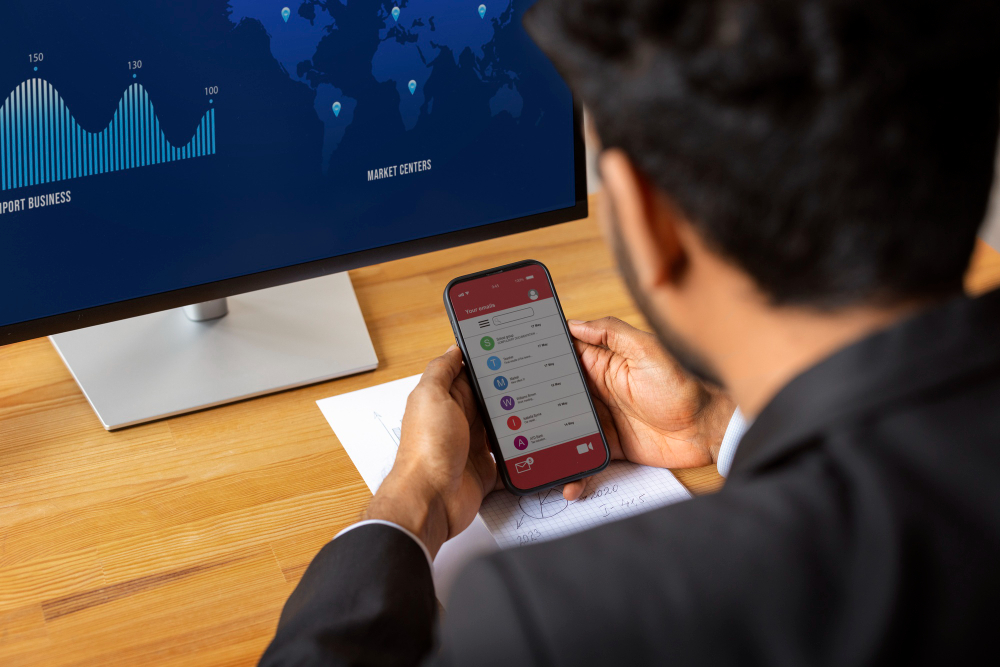
In an era where digital convenience shapes nearly every experience—from food delivery to financial management—online gaming has embraced the same demand for simplicity. Crypto casinos, once accessible only to technically savvy users juggling multiple wallets, devices, and security hurdles, are undergoing a shift. Today, millions of users seek streamlined solutions: “One-Device, One-Wallet” setups that eliminate tech headaches and open the door to secure, user-friendly play.
Industry data and the rise of non-custodial wallet integrations reveal a clear trend: gaming platforms that prioritize easy crypto onboarding and intuitive wallet management consistently attract broader, more loyal audiences. But how does this one-device strategy work in practice, and why is it becoming the gold standard for modern crypto gaming?
Simplifying Crypto Casino Entry: Why It Matters
Traditional online casinos typically require users to create accounts, verify identities, deposit funds through centralized payment systems, and navigate multi-step authentication—all before a single wager. Crypto casinos initially aimed to eliminate these steps via blockchain payments but often replaced old headaches with new technical barriers: managing private keys, selecting the right blockchain, or safeguarding recovery phrases.
Streamlining to a “One-Device, One-Wallet” model removes much of this friction. By linking a single mobile device to a single crypto wallet, new players can:
- Skip lengthy registration forms or document uploads.
- Fund accounts directly from their personal wallet—no intermediaries.
- Confirm transactions quickly, often with just a phone biometric or passcode.
This approach not only meets consumer demand for simplicity but also drastically reduces abandonment rates common in complex onboarding systems. If users can access games and manage funds using the wallet already on their phone, participation spikes.
“Ease of use is quickly becoming the defining feature of successful crypto casinos. Platforms that emphasize frictionless onboarding and wallet integration see a clear uptick in user retention and wagering volume,” notes Steven Jones, a digital gaming consultant for several blockchain-based platforms.
The Mechanics: How One-Device, One-Wallet Setups Work
Choosing the Right Wallet
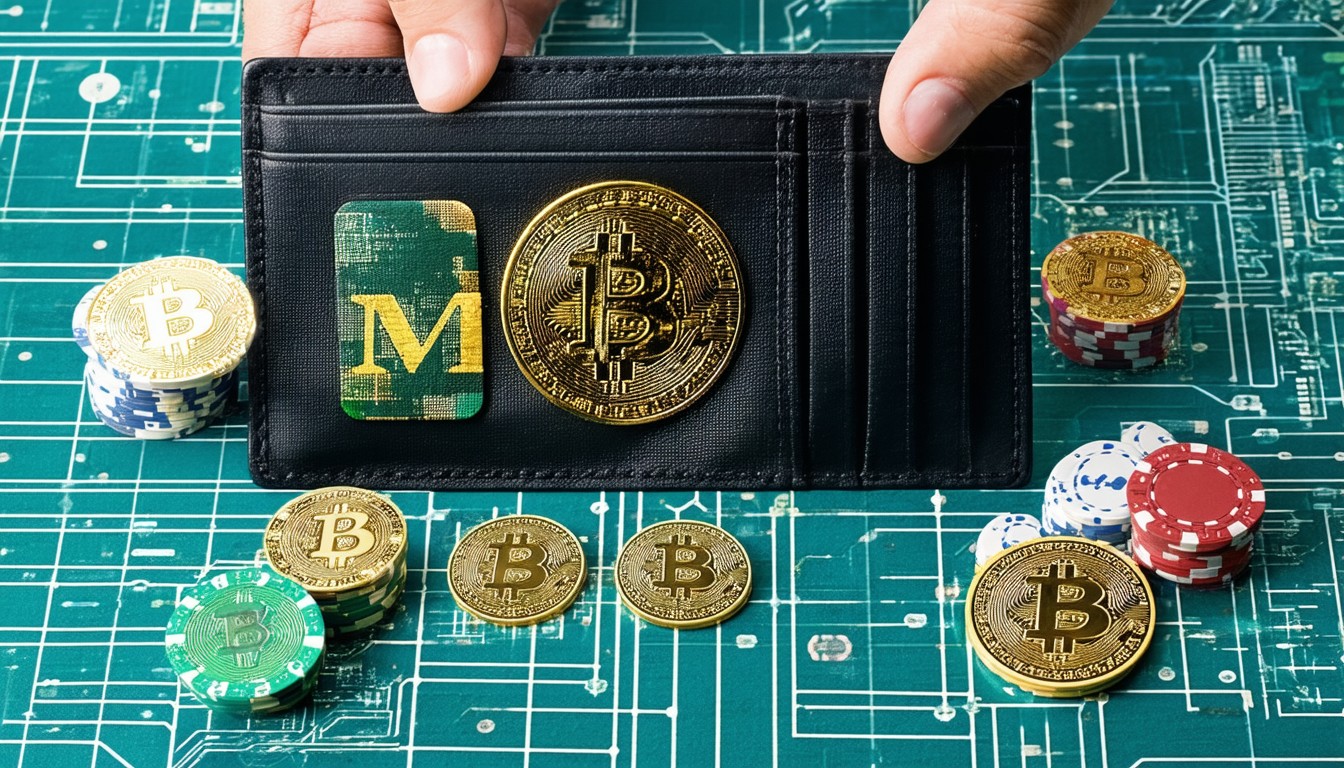
At the heart of this approach is a mobile-compatible, non-custodial crypto wallet—such as MetaMask, Trust Wallet, or Coinbase Wallet. These wallets allow users to:
- Maintain control over their funds (no centralized custody).
- Connect directly to decentralized apps (dApps), including crypto casinos.
- Utilize familiar device-based security, like fingerprints or facial recognition.
Modern wallets also integrate with deep links or QR codes, making “connect wallet” experiences as seamless as tapping a button on your phone.
Mobile Device As the Secure Gateway
With smartphone adoption near saturation even in emerging markets, mobile devices have become the default gaming and payment interface. Crypto casino platforms have responded by optimizing sites and apps for mobile browsers, enabling:
- Single-tap wallet connections using WalletConnect or similar protocols.
- In-app notifications for deposits, withdrawals, or winnings.
- Enhanced device-level security—users can rely on their phone’s PIN or biometric locks.
End-to-End User Experience: From Onboarding to Cashout
The ideal “one-device” crypto casino journey typically looks like this:
- Access the casino site/app from your mobile device.
- Connect your crypto wallet using a “Connect Wallet” button (usually with options for MetaMask, Trust Wallet, etc.).
- Deposit funds directly from your wallet. The casino’s system detects the deposit and credits your in-game balance.
- Play games with funds accessible instantly.
- Withdraw winnings by sending crypto back to your wallet, often settled on-chain in minutes.
No separate account credentials, no toggling between desktop and mobile, and no need for repeated security re-verification.
Security, Simplicity, and Trust: The Winning Trifecta
The move to a “one-device, one-wallet” paradigm isn’t only about convenience. Security and trust are critical drivers:
- Users retain custody of funds at all times, reducing risks tied to platform hacks.
- Elimination of account passwords (relying instead on wallet-based authorization) minimizes phishing opportunities.
- Transparent transaction histories on the blockchain build user confidence.
However, user education still plays a vital role. Crypto-savvy individuals may find these processes intuitive, but novices benefit from clear guidance on selecting reputable wallets, protecting private keys, and confirming authentic casino URLs.
Real-World Example: Boom of Mobile-First Crypto Casinos
A significant share of Europe’s blockchain gaming startups now roll out with wallet-first onboarding as standard. For example, projects like Rollbit and BC.Game have adopted a “connect and play” flow, reporting doubled user conversion rates after replacing email/password logins with wallet connections.
Similarly, several major crypto casinos now offer step-by-step videos or tooltips right in their onboarding flow, showing exactly how to link a supported wallet and confirming successful connections before allowing access to funds or games.
Troubleshooting: Overcoming Common Hurdles
Despite the simplicity, some challenges persist:
- Wallet Compatibility: Not all wallets support every blockchain or token needed for gaming deposits.
- Network Congestion: During periods of high activity, blockchain confirmations can lag, impacting deposit or withdrawal speed.
- Device Security: If a mobile device is lost or compromised, wallet recovery hinges on having safely stored backup phrases—a common stumbling block for new users.
Progressive casino operators now proactively alert users about these issues and guide them through recovery processes. Many platforms also support multi-wallet connections, offering a backup if one method fails.
Regulatory Landscape and User Safeguards
While crypto casinos may circumvent some traditional barriers, they still face emerging regulatory requirements. Some jurisdictions require age verification or anti-money-laundering checks, even without fiat currency involvement. Platforms that embed compliance checks directly into wallet connections—such as verifying a wallet’s transaction history or integrating optional KYC steps targeting only high-value players—strike a balance between simplicity and regulatory assurance.
“User trust hinges on both privacy and regulatory credibility. Forward-thinking platforms blend non-custodial freedom with transparent, fair play mechanisms,” shares gaming law analyst Julia Nguyen.
As the sector matures, best practices are crystallizing around not just seamless onboarding, but also responsible gaming, provably fair results, and transparent fund flows—all achievable directly from a single mobile wallet.
Conclusion: The Future Is Frictionless and Player-Centric
The “One-Device, One-Wallet” approach is transforming crypto gambling from a niche pastime into a mainstream entertainment option. By prioritizing usability and trust, both casual and serious gamers can experience blockchain-powered games without wrestling with outdated interfaces or arcane setups.
The momentum behind mobile-friendly, wallet-integrated play isn’t likely to slow. Operators that embrace seamless, secure onboarding and proactive user support will continue to set the benchmark for the industry, while players benefit from easy, private, and transparent gaming.
FAQs
How do I start playing on a crypto casino with just my phone and wallet?
Simply download a reputable crypto wallet app on your phone, fund it with supported tokens, and choose a casino that supports direct wallet connections. Tap the “Connect Wallet” button on the casino’s site to start playing; no other account setup is necessary.
Is it safe to use a single wallet on my device for gambling?
Yes, provided you keep your device secure and backup your wallet’s recovery phrase in a safe place. Using a non-custodial wallet gives you full control, but remember that losing access to your wallet can mean losing funds.
What should I do if my casino doesn’t support my wallet or token?
Look for accredited casinos listing compatible wallets and accepted tokens, or consider using a multi-chain wallet that can interact across different blockchains. Some platforms also provide built-in swap tools to convert one crypto to another.
Are there any extra fees when using a one-device, one-wallet setup?
Most fees stem from blockchain network transactions, such as small amounts for deposits or withdrawals. The casino itself typically does not charge extra for using direct wallet connections.
What happens if my phone is lost or stolen?
If you have safely stored your wallet’s recovery phrase elsewhere, you can restore your wallet on a new device. Without this backup, access to your funds may be permanently lost, so it is crucial to store recovery information securely.
Do I need to provide personal details or undergo KYC with crypto casinos?
Many crypto casinos let you play anonymously via wallet connection alone. However, larger withdrawals or regulatory requirements in some regions may prompt optional identity verification for compliance.